Is Coworking Safe for Confidential Work? How to Choose Between a Private Office, Booth, and Meeting Room

If you have ever paused mid-sentence in a shared workspace because someone walked past, you are not alone. The question of whether coworking is safe for confidential work comes up constantly among lawyers, founders, consultants, and remote executives. The short answer is: it depends entirely on which space type you use and how you use it.
Coworking has grown from a niche concept into the default option for thousands of professionals in cities like Ho Chi Minh City. But with that growth comes a real need to think clearly about privacy. Not all confidential work is the same. A sales call differs from a legal consultation. Reviewing a pitch deck differs from signing an NDA. Each scenario calls for a different level of acoustic and visual separation.
Getting that match right is what determines whether coworking is safe for confidential work in your specific situation.
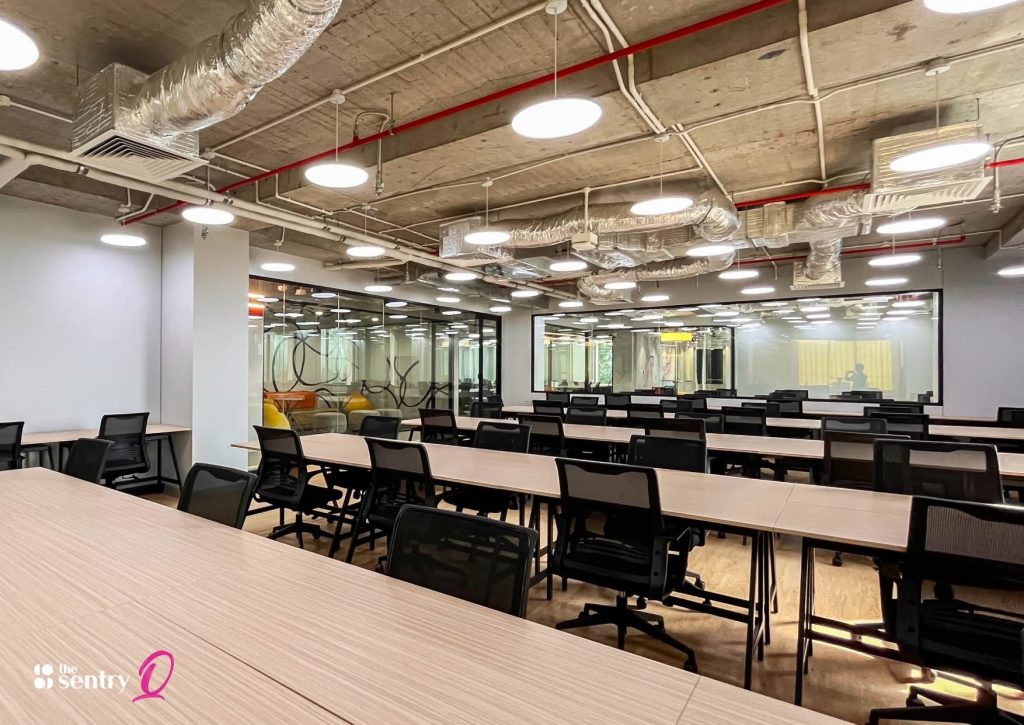
Open-plan coworking floors are intentionally social environments. That energy is one of their biggest draws. But it also means sound travels, screens are visible, and conversations can be overheard without anyone intending harm. For most casual work, this is a non-issue. For anything sensitive, it can be a genuine liability.
The risks fall into three broad categories:
- Acoustic exposure: someone nearby can hear a conversation that should have stayed private.
- Visual exposure: a passer-by can glance at sensitive data on your screen.
- Document handling: printed materials, contracts, or reports left on a shared desk are visible to anyone in the vicinity.
None of these risks mean coworking is inherently unsafe. They mean that coworking is a spectrum, and professionals handling confidential work need to choose their workspace type intentionally.
Understanding Your Three Main Options in Coworking Space
Most well-designed coworking spaces offer three distinct privacy tiers: the private office, the phone booth or focus pod, and the meeting room. Each serves a different purpose, and understanding those differences helps you make the right call.
Private Offices
A private office inside a coworking space gives you the best of both worlds. You have a fully enclosed, lockable room that belongs to your team, combined with access to the shared amenities and community of the wider space. For companies or individuals who regularly handle confidential client data, legal documents, financial records, or proprietary strategy, a private office is the most reliable option.
The door closes. Conversations stay inside. Screens face inward. And because you have a consistent, dedicated space, you can set up physical security measures like cable locks, secure filing, and clear-desk policies without worrying about shared surfaces.
Private offices in coworking spaces have matured considerably. The stereotype of a bare box has given way to thoughtfully designed rooms with proper acoustic insulation, natural light, and ergonomic furniture. They also come without the overhead of a traditional office lease, which makes them a practical option for growing businesses that cannot commit to a multi-year rental agreement.
Phone Booths and Focus Pods
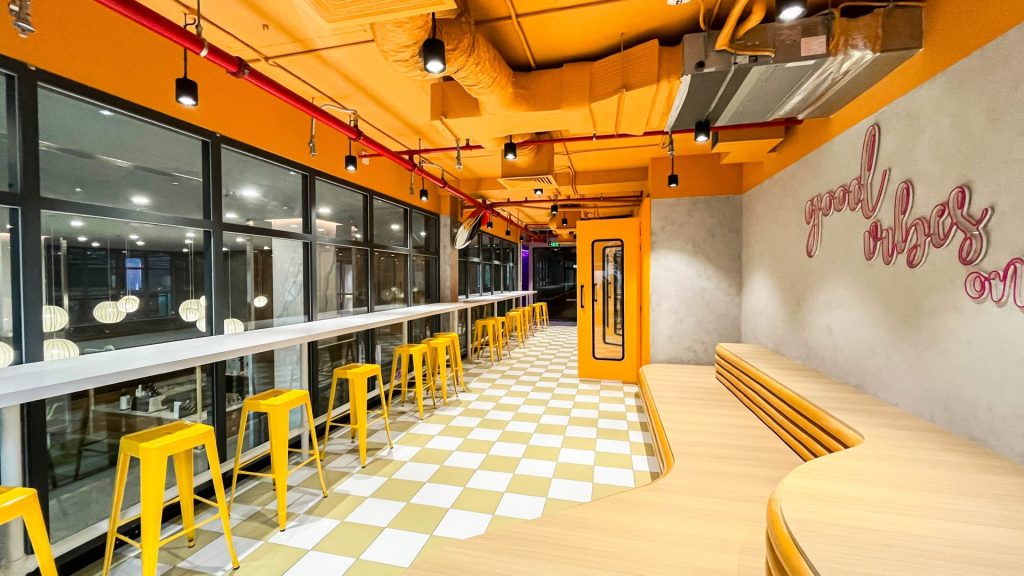
Phone booths, sometimes called focus pods, are compact soundproofed enclosures designed for solo use. They are ideal for a single confidential call, a video interview, or an hour of focused work where you need acoustic separation from the open floor.
Their limitation is capacity. They are built for one person and one task at a time. You would not use a phone booth to walk a client through a detailed proposal or hold a team debrief on a sensitive project. But for quick calls or concentrated individual work, they are an efficient solution that many professionals overlook.
If you are a freelancer or a solo remote worker who only occasionally needs privacy, a good coworking space with a reliable booth system may be all you need. The question is whether the booths at your chosen space are consistently available when you need them, or whether demand regularly outstrips supply during peak hours.
Meeting Rooms
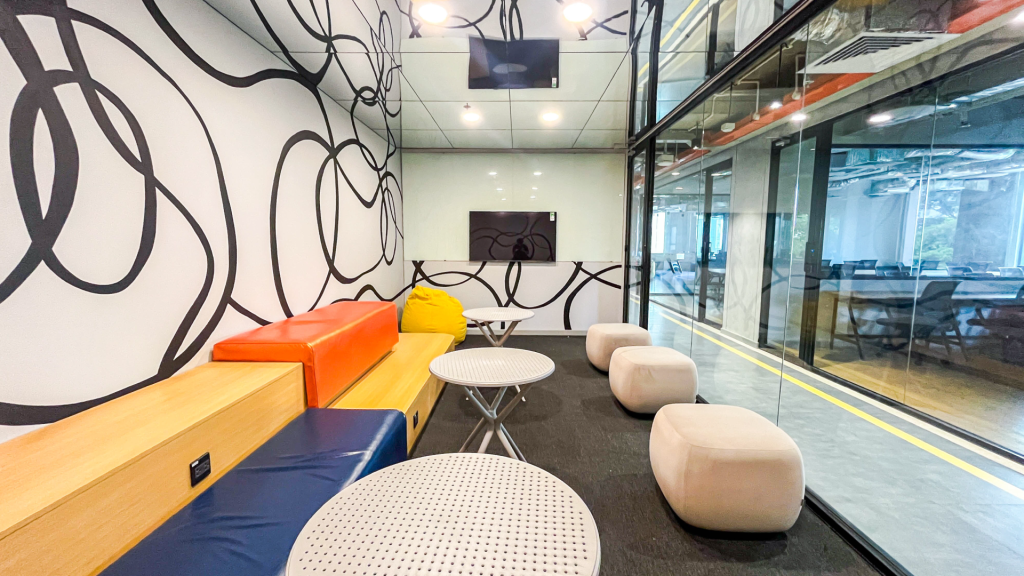
Meeting rooms sit in the middle of the spectrum. They are enclosed, bookable, and designed for group conversations.
A properly designed meeting room with good acoustic performance gives you a space where client presentations, board discussions, legal briefings, and investor meetings can happen without concern about who is listening on the other side of the wall.
The variable here is quality. Not all meeting rooms in shared spaces are built equally. Room-within-a-room acoustic construction, solid-core doors, and proper seals around frames make a meaningful difference. Glass-walled meeting rooms, which look impressive, are often acoustically weak unless they have been specifically treated. Before booking a sensitive conversation, it is worth understanding how a space’s meeting rooms are actually built.
A useful rule of thumb: for a task you would feel comfortable doing in a glass-walled café with headphones on, the open floor is fine. For a task where the words matter as much as the outcome, book a room or use a private office. The physical separation is not just about sound. It signals to the other party that you take the conversation seriously.
A Quick Comparison
| Space Type | Best For | Privacy Level | Typical Use |
| Private Office | Teams with regular sensitive work | High — enclosed, lockable | Daily operations, client data, legal work |
| Phone Booth / Focus Pod | Solo calls and focused individual tasks | Medium — acoustic, single user | Confidential calls, focused writing |
| Meeting Room | Group discussions, client-facing sessions | Medium to High — depends on build quality | Pitches, legal briefings, board reviews |
What to Look for When Evaluating a Coworking Space for Confidential Work
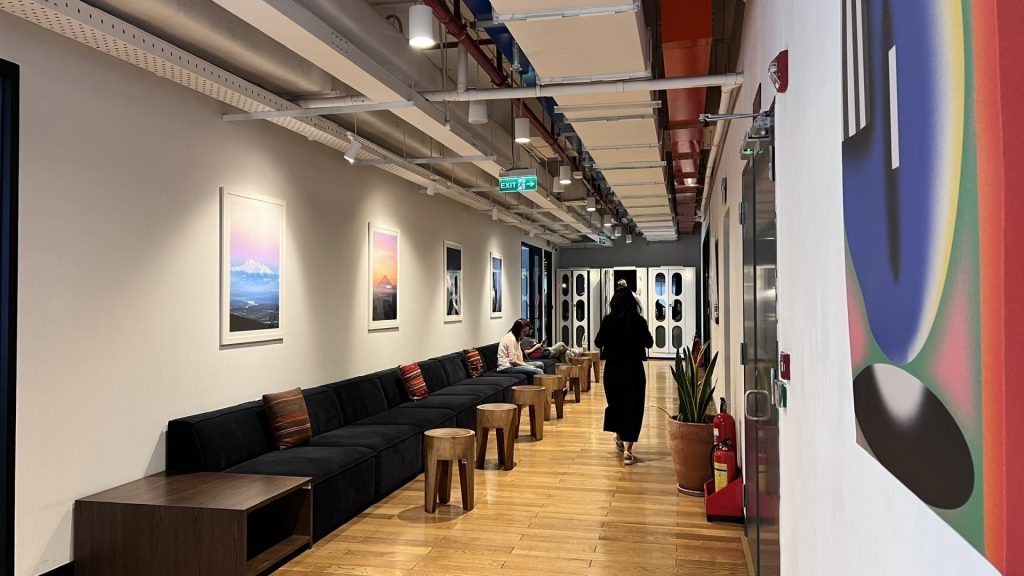
Choosing a coworking space for sensitive work is not just about which option looks the nicest on a tour.
There are a few specific things worth checking before you commit.
Acoustic Performance
Ask whether meeting rooms use acoustic panels, what the door construction involves, and whether the open floor uses sound-absorbing materials. A space that has thought carefully about noise has generally thought carefully about privacy too.
Community Composition
A coworking space that hosts a mix of tech startups, investment firms, and professional services companies operates differently from a drop-in space that takes any member. The caliber of the community affects the culture, and culture affects how members behave around each other’s work.
Operational Policies
Review the space’s rules and procedures carefully. Do members sign NDAs or confidentiality agreements as part of their membership? How does the space handle guest access? Are meeting rooms visible from high-traffic areas? These details reveal how seriously the space takes its members’ privacy.
An In-Person Visit During Peak Hours
No amount of online research replaces the experience of sitting in the space when it is full. You will quickly get a sense of how sound travels, how close desks are to meeting room walls, and whether the open floor feels manageable or chaotic.
Building Habits That Protect Confidential Work
Even in the best private office, your behavior matters. Coworking is safe for confidential work when professionals develop the right habits alongside using the right space types. Lock your screen when you step away from your desk. Avoid leaving printed documents unattended, even in a private room. Take calls that involve personally identifiable information or financial data in an enclosed space rather than on the shared floor.
These habits transfer directly from traditional office environments. The difference in coworking is that you are sharing a building with people who are not part of your organization. That does not make them a threat. It simply means that reasonable precautions are worth keeping in place consistently.
Where The Sentry Fits In
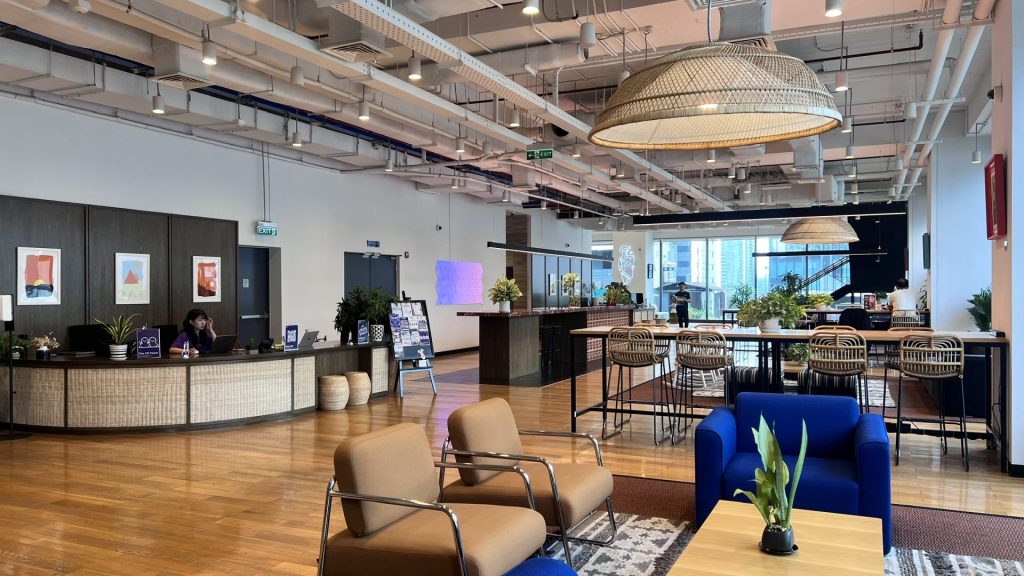
The Sentry is Vietnam’s leading Grade A flexible workspace provider, with multiple locations across Ho Chi Minh City including District 1, District 2, and District 12. The spaces are built with professionals in mind, and privacy is treated as a design requirement rather than an afterthought.
Each Sentry location offers private meeting rooms and phone booths for confidentiality alongside open coworking floors. The private office options range from individual enclosed rooms to full-floor suites, giving teams the ability to match their workspace to their actual security requirements. The member community skews toward tech startups, venture capital, investment firms, and professional services, which creates an environment where people understand the value of discretion.
The Sentry C — District 1, Le Thanh Ton
The flagship location at 15 Le Thanh Ton Street sits at the center of Ho Chi Minh City’s business district, with 24-hour access and a professional network that consistently attracts serious operators.
The Sentry Z — District 1, Nguyen Binh Khiem
Located on Nguyen Binh Khiem Street, The Sentry Z is the first coworking space in Vietnam to earn Lotus Gold green building certification, offering meeting rooms, a dedicated boardroom, and a rooftop garden within an eco-conscious design.
The Sentry P — District 2, Thao Dien
The Sentry P brings a design-forward aesthetic with private meeting rooms, phone booths, an event space, and access to a robotic barista that has become something of a community landmark.
The Sentry Q — District 12, Quang Trung Software City
The newest addition serves the growing tech and IT community with training rooms, focus pods, and event spaces just fifteen minutes from Tan Son Nhat International Airport.
Across all locations, the answer to whether coworking is safe for confidential work is yes, provided you match your work to the right space within the building and develop habits that protect your information. The Sentry is designed to make that easy.
Ready to Find Your Space?
Visit one of The Sentry’s locations across Ho Chi Minh City and see for yourself how privacy and community can coexist. Our team will walk you through the private offices, meeting rooms, and focus pods available, and help you find the option that fits your work.
YOU MAY BE ALSO INTERESTED IN

Branch Office vs Representative Office in Vietnam: Which Should Foreign Companies Choose?
Foreign companies entering Vietnam usually run into the same question early on. Do you register a representative office or a branch office? The two structures look alike at first glance. Both let a foreign company operate under Vietnamese law without setting up a fully separate local entity. The similarities stop there once you look at […]
Best Coworking Spaces in District 2 & Thao Dien (2026)
District 2 and Thao Dien have become the go-to base for founders, freelancers, and remote teams who want a workspace close to where they actually live. The area sits across the river from downtown Saigon, but Metro Line 1 and a fast-growing business scene have turned it into a work hub in its own right. This […]
How Much Does a Serviced Office Cost in Ho Chi Minh City? 2026 Pricing Guide
Shopping for office space in Ho Chi Minh City usually comes down to one question: what is this actually going to cost? The answer depends on what kind of serviced office you pick, but most businesses end up paying somewhere between 1,500,000 VND and 15,000,000 VND per person each month. A hot desk sits at […]

Interested in this location?
Complete the form below to book a tour or connect with one of our team members to find out more.