When Does a Serviced Office Space Make Sense for a 5–20 Person Team?

Growing a team past five people is one of the better problems a business can have. It also means your workspace situation needs a serious rethink.
The Tipping Point Between Coworking and a Private Office
Open coworking works well for solo professionals and very small teams. The energy is good, the cost per head is manageable, and the flexibility is hard to beat. But as a team grows past five people, the open floor plan starts to work against you.
Conversations happen in the wrong places. Confidential calls get moved to stairwells. Your team cannot always find enough desks together. Clients arrive for meetings in a space that looks shared, because it is. The experience of coming to work starts to feel less like belonging to an office and more like competing for space in one.
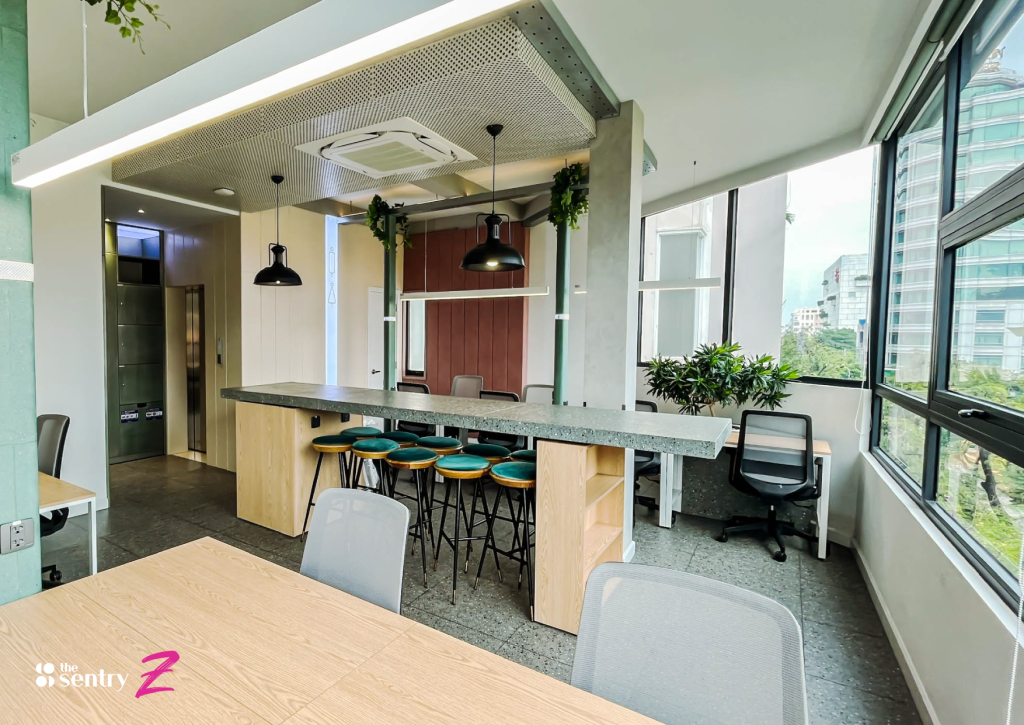
Research found that 58% of high-performance employees say they need more quiet workspaces, and 62% find their office environments too distracting. For a team of five or more, this kind of friction builds quickly, affecting focus, morale, and the impression you make on clients and new hires.
This is the point where a serviced office space becomes worth looking at closely.
What a Serviced Office Space Actually Is
A serviced office is a private, fully furnished workspace managed by an operator, where a single monthly fee covers rent, utilities, internet, cleaning, and access to shared amenities like meeting rooms, reception services, and communal areas.
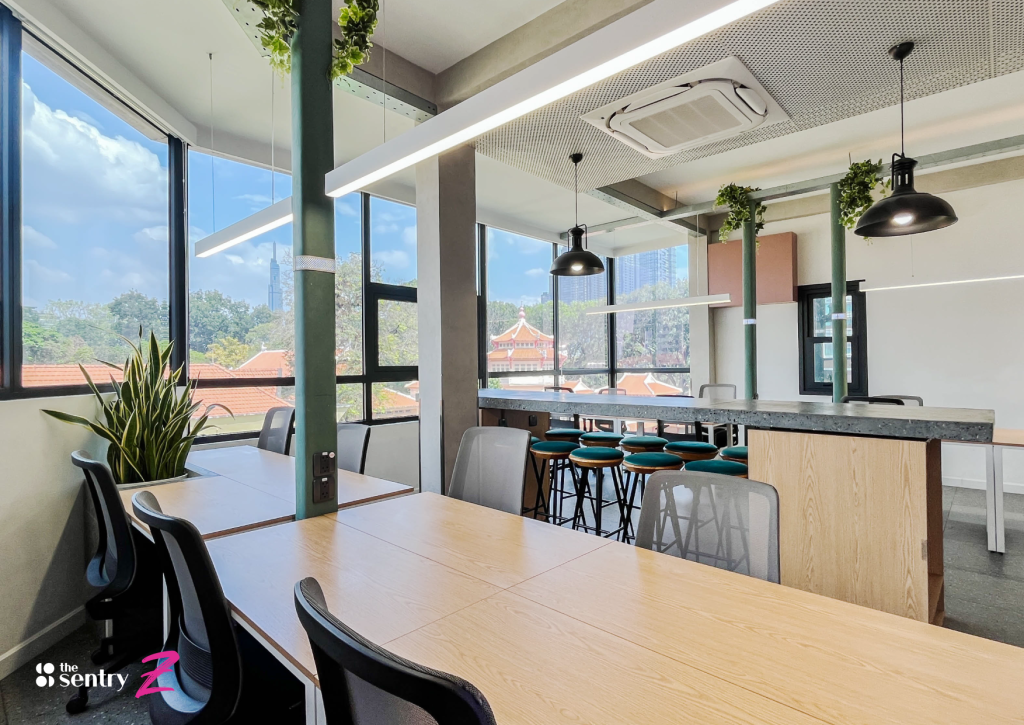
Unlike a traditional commercial lease, which can take six to twelve months to set up from signing to move-in, a serviced office is ready from day one. There is no fitout, no contractor management, and no upfront capital expenditure on furniture or IT infrastructure. You sign an agreement and start working.
For a team of 5 to 20 people, this model offers something the open coworking plan cannot: a consistent, private space your team can call their own, with a professional setup already in place before you arrive.
When a Serviced Office Space Is the Right Call
Not every team at this size needs one right away. The decision usually comes down to specific pressures that build as a company matures. Here are the situations where a serviced office tends to make the most sense.
Your Team Shows Up Every Day
If your people are in the office on a regular basis, individual coworking memberships quickly become expensive compared to a flat private room rate for the same number of desks. Once a team reaches consistent daily attendance, the cost of per-person coworking memberships often overshoots the equivalent cost of a private office. A serviced office brings the per-desk cost down and gives the team a stable, predictable place to land each morning.
Confidentiality Has Become Part of the Work
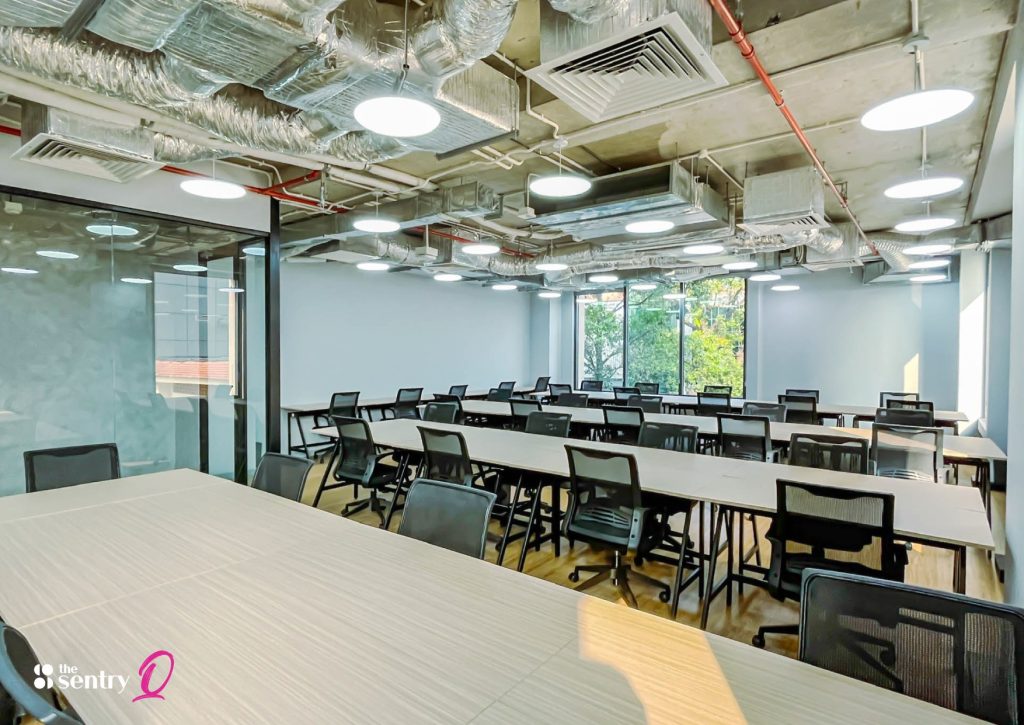
Legal discussions, financial reporting, hiring interviews, client strategy sessions, investor updates — these are conversations that need a door you can close. Open coworking environments make it genuinely difficult to take confidential calls or hold sensitive meetings without disruption, and the workarounds are frustrating. A private serviced office removes the problem rather than just managing it.
Clients Are Coming to You
First impressions shape long-term business relationships. If clients visit your office regularly, meeting them in a shared open-plan environment may not project the professionalism or stability you want to be known for. A private office in a well-managed building, with a proper reception area, clean meeting rooms on demand, and a consistent address, gives your business a more credible and polished presence.
You Are Hiring and Onboarding Regularly
Growth means new people arriving, and onboarding is harder when there is no fixed desk, no consistent team environment, and no defined physical space for training or introductions. A private office gives new hires somewhere to arrive, settle, and understand how the team works together from day one.
Your Headcount Is Still Changing
A serviced office is not a long-term property commitment. Most agreements run on monthly or annual terms, with the option to move into a larger suite within the same building as your team grows. This means your workspace footprint can mirror your actual headcount rather than the forecast you made twelve months ago. For teams that are scaling, this flexibility is genuinely valuable.
What You Pay For, and What You Do Not
One of the clearest practical advantages of a serviced office over a traditional lease is the cost structure.
A traditional lease means paying rent, then managing everything else separately: furniture procurement, internet contracts, electricity and water, building maintenance, cleaning, and security.
These individual costs add up quickly, and they arrive unpredictably.
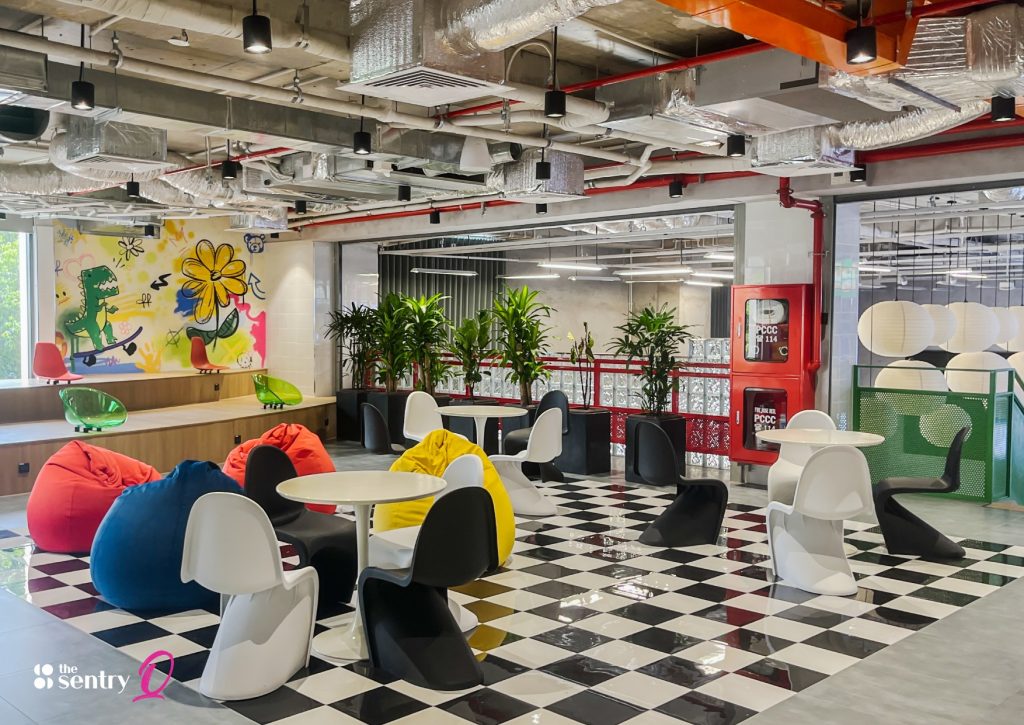
A serviced office operates on a single all-inclusive monthly fee that covers rent, utilities, cleaning, and internet. There are no repair bills, no hidden charges for shared facilities, and no capital required for furniture or IT setup. For a team focused on building a business rather than running a building, this reduces a significant amount of operational complexity and makes monthly costs predictable.
Traditional leases typically require a deposit equivalent to six months of rent, alongside legal fees, before you move in. That is a substantial amount of capital that a 5 to 20 person team could put to better use elsewhere in the business.
Why a Traditional Lease Usually Does Not Fit at This Stage
Long-term leases make sense for businesses with stable, predictable headcounts and a multi-year plan tied to a single location. For most teams in the 5 to 20 person range, neither of those conditions is fully in place.
The average traditional commercial lease runs three to five years, often with break clauses that are difficult to trigger. A team of eight that signs a lease for a space suited to twelve desks is betting on growth that may or may not arrive on schedule. A team of fifteen that underestimates its trajectory ends up paying for space it has already outgrown and cannot leave without significant penalty.
By 2025, industry data shows that demand for private offices within flexible workspace buildings has officially overtaken open hot-desking, with approximately 80% of coworking floor space now allocated to enclosed offices. The market has shifted in this direction for a clear reason. Teams want privacy and stability, but not the rigidity and financial risk of a long-term real estate commitment.
Serviced offices occupy the space between those two extremes, and for most growing teams in their first few years of operation, that middle ground is exactly where they need to be.
Serviced Office Space in Ho Chi Minh City: What The Sentry Offers
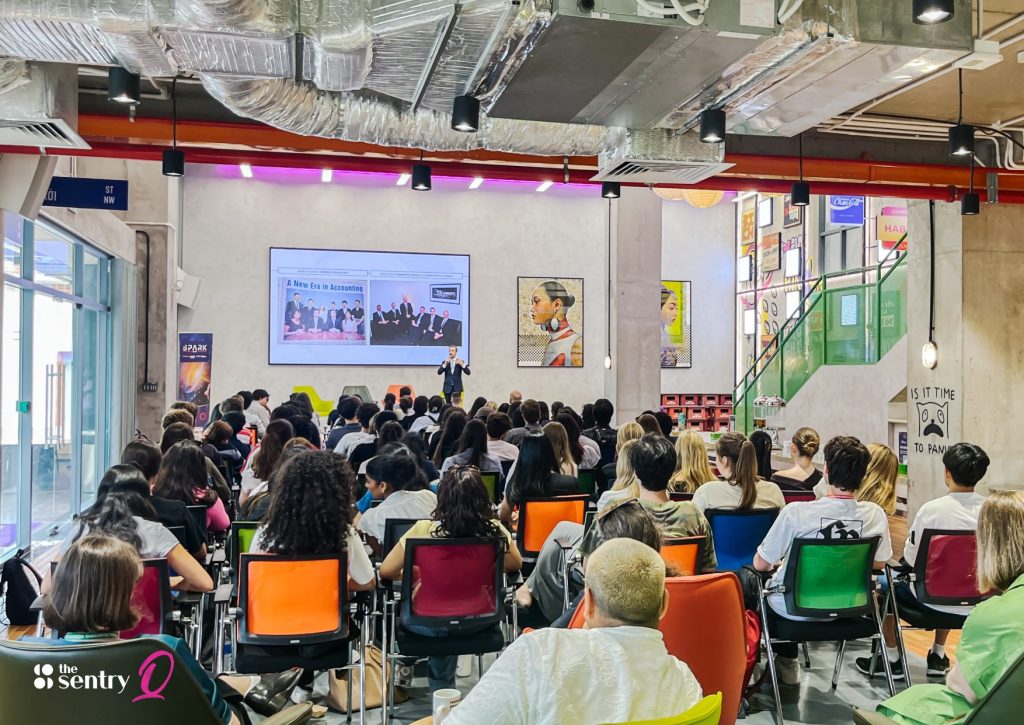
The Sentry operates four premium coworking and serviced office locations across Ho Chi Minh City, each built to support teams across a range of sizes and industries. Every site offers private offices, dedicated desks, professional meeting rooms, high-speed internet, on-site support staff, and access to shared community amenities.
- The Sentry C at 15 Le Thanh Ton in District 1 is the flagship location, home to more than 70 businesses across technology, finance, e-commerce, and creative industries. With 24/7 access and a position at the heart of Saigon’s central business district, it suits teams that need proximity to clients, partners, and HCMC’s commercial centre.
- The Sentry Z at 25A/1 Nguyen Binh Khiem, also in District 1, is the first coworking space in Vietnam to earn Lotus Gold green building certification. More than half of its total floor area is dedicated to communal space, and the building features a rooftop garden, nap areas, and a relaxation zone. It is a strong choice for teams that treat workplace wellbeing as a genuine priority alongside professional performance.
- The Sentry P at 16 Nguyen Dang Giai in Thao Dien, District 2, combines an open collaborative layout with private meeting rooms, phone booths, event space, a mother and baby area, and complimentary yoga and meditation classes. The vibrant international community of Thao Dien makes it a natural fit for tech, design, and creative teams.
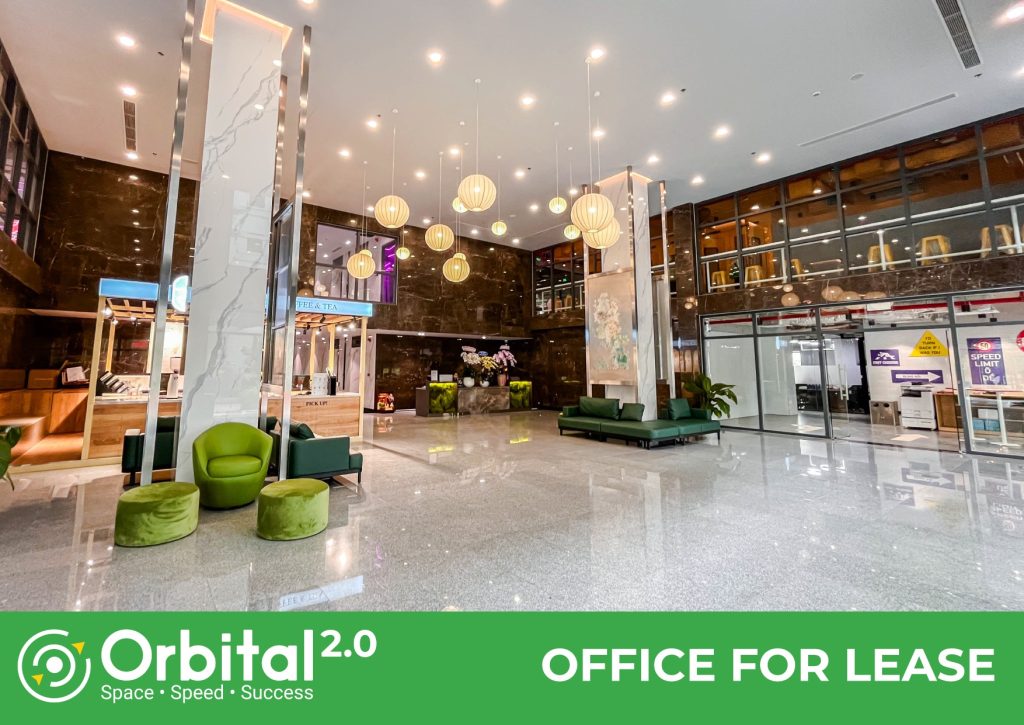
- The Sentry Q at the Orbital 2.0 campus in Quang Trung Software City, District 12, is the network’s newest location. Three floors of workspace are arranged around a mezzanine, a bar and coffee lounge, a training room, and dedicated event spaces. With Tan Son Nhat International Airport approximately fifteen minutes away, it is well-suited for teams that travel often or work with clients across the region.
Across all four sites, The Sentry provides conference rooms and meeting facilities bookable on demand, secure high-speed internet, professional reception, and complimentary refreshments.
Whether your team is at five people and still finding its feet, or at eighteen and ready to commit to a serious base of operations, The Sentry’s membership options are structured to move with your business as it grows.
Ready to Find the Right Space for Your Team?
If your team has reached the stage where a shared open workspace no longer fits how you actually work, a serviced office at The Sentry gives you the privacy, the professional setup, and the flexibility to move forward without the risk of a long-term lease.
Book a tour today and find the right location for your team.
YOU MAY BE ALSO INTERESTED IN

Branch Office vs Representative Office in Vietnam: Which Should Foreign Companies Choose?
Foreign companies entering Vietnam usually run into the same question early on. Do you register a representative office or a branch office? The two structures look alike at first glance. Both let a foreign company operate under Vietnamese law without setting up a fully separate local entity. The similarities stop there once you look at […]
Best Coworking Spaces in District 2 & Thao Dien (2026)
District 2 and Thao Dien have become the go-to base for founders, freelancers, and remote teams who want a workspace close to where they actually live. The area sits across the river from downtown Saigon, but Metro Line 1 and a fast-growing business scene have turned it into a work hub in its own right. This […]
How Much Does a Serviced Office Cost in Ho Chi Minh City? 2026 Pricing Guide
Shopping for office space in Ho Chi Minh City usually comes down to one question: what is this actually going to cost? The answer depends on what kind of serviced office you pick, but most businesses end up paying somewhere between 1,500,000 VND and 15,000,000 VND per person each month. A hot desk sits at […]

Interested in this location?
Complete the form below to book a tour or connect with one of our team members to find out more.