What Is a Smart Office? Features, Benefits and the Tech Behind Modern Workspaces

The way we work is constantly evolving. Not long ago, the typical office was a collection of desks, chairs, filing cabinets, and perhaps a shared printer. Technology’s role was primarily functional – computers for tasks, phones for calls. However, just as our homes have become “smarter” with connected devices, our workplaces are undergoing a similar transformation.
Enter the concept of the smart offices, a term gaining significant traction in discussions about the future of work, building management, and employee experience. But what exactly does it mean for an office to be “smart”?
Definition of a Smart Office
At its heart, a smart office is a workspace where technology, infrastructure, and people are seamlessly integrated to create an environment that is more efficient, productive, comfortable, and sustainable.
It’s far more than just having a few high-tech gadgets scattered around. A truly smart office is a connected ecosystem where various systems communicate and interact autonomously or based on data-driven insights.
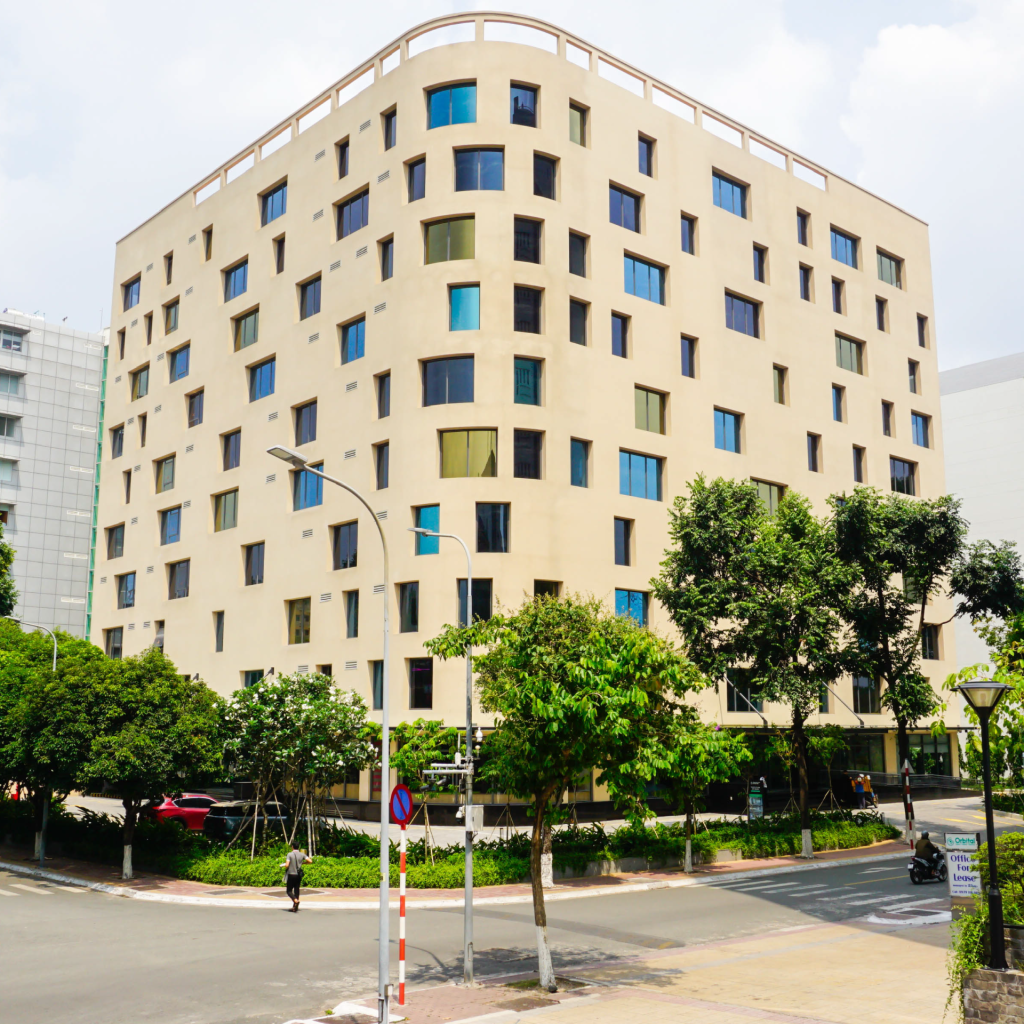
Think of a traditional office building as a collection of disparate systems: the lights are controlled by switches, the HVAC (Heating, Ventilation, and Air Conditioning) system runs on a schedule or manual adjustments, security requires key cards or physical keys, and meeting rooms are booked via email or a shared calendar. In a smart office, these systems are interconnected and often managed through a central platform or network.
The foundation of most smart offices lies in the Internet of Things (IoT). This refers to the network of physical objects (“things”) embedded with sensors, software, and other technologies that enable them to connect and exchange data with other devices and systems over the internet.
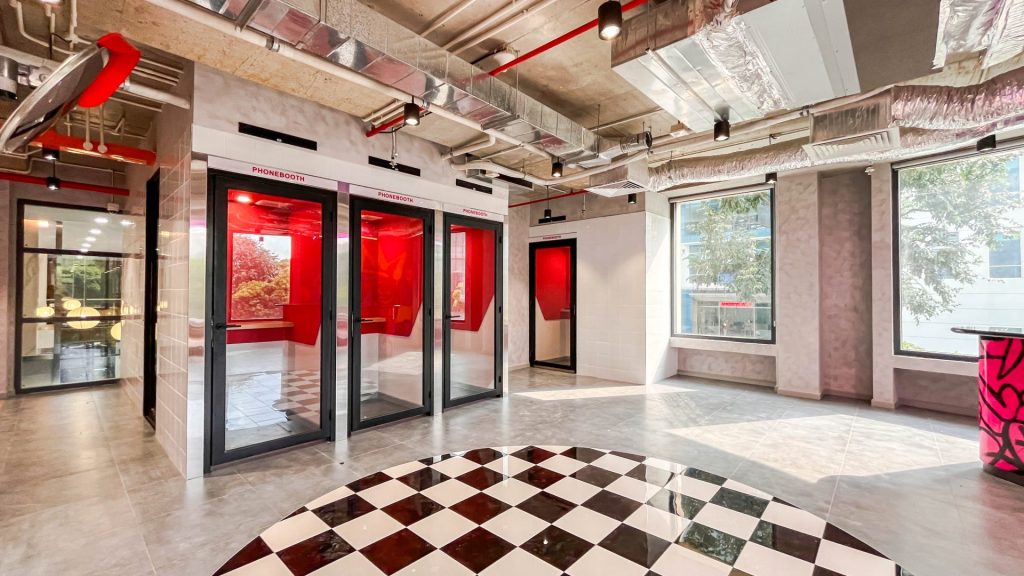
In a smart office context, these “things” could be anything from light fixtures and thermostats to security cameras, occupancy sensors under desks, smart locks on doors, and integrated meeting room displays. These devices collect real-time data about the office environment and how it’s being used, paving the way for automation and informed decision-making.
The Core Technologies Enabling Smart Offices
Several technologies form the foundation of a modern smart office environment:
IoT Sensors
These are fundamental. Occupancy sensors detect human presence in rooms, at desks, or in specific zones. Environmental sensors continuously monitor factors like temperature, humidity, air quality (including CO2 and volatile organic compounds or VOCs), and even ambient noise levels. Light sensors measure the amount of natural daylight. This stream of real-time data fuels the automation and analytical capabilities of the smart office.
Intelligent Lighting Systems
Smart lighting goes far beyond basic on/off functionality. Systems can automatically dim or brighten lights based on occupancy detection or the level of natural daylight available (a technique called daylight harvesting), leading to significant energy savings. Lights can be programmed to follow schedules or even adjusted to specific color temperatures to support employee alertness or relaxation, contributing to overall well-being.
Smart Climate Control (HVAC)
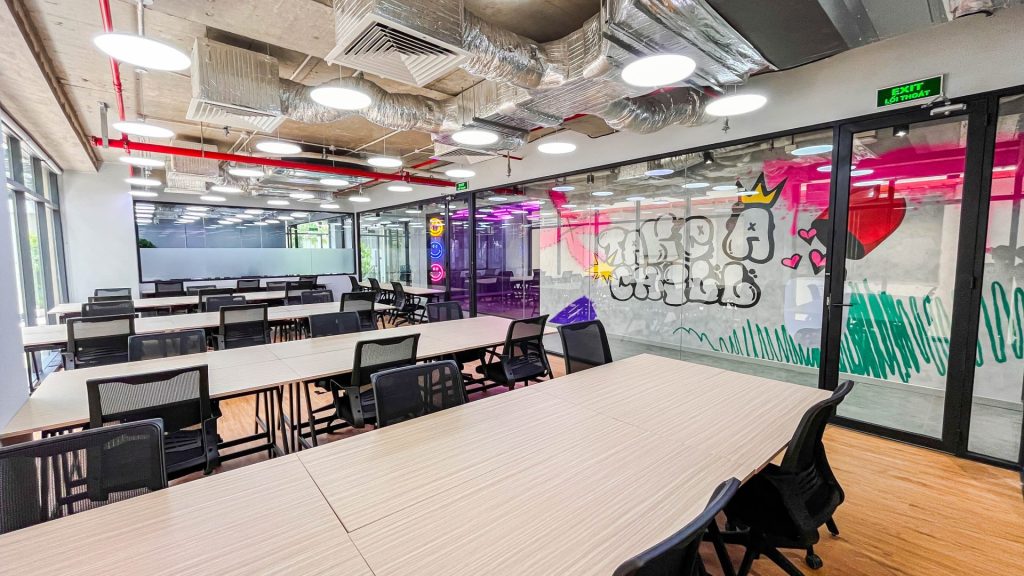
Connected thermostats and HVAC systems allow for precise temperature management across different areas or zones within the office. By integrating with occupancy sensors, the system can reduce heating or cooling in empty areas, preventing energy waste while ensuring occupied spaces remain comfortable. Linking with air quality sensors allows the system to automatically increase ventilation when needed, promoting a healthier indoor environment.
Advanced Access Control and Security
Smart offices often replace traditional keys with systems using electronic access cards, smartphone apps, or biometric identification. This enhances security by creating a detailed log of who accessed which areas and when. It also simplifies administration, as access rights can be granted or revoked remotely. Integration with smart surveillance cameras and visitor management systems can create a comprehensive security solution.
Efficient Meeting Room Management
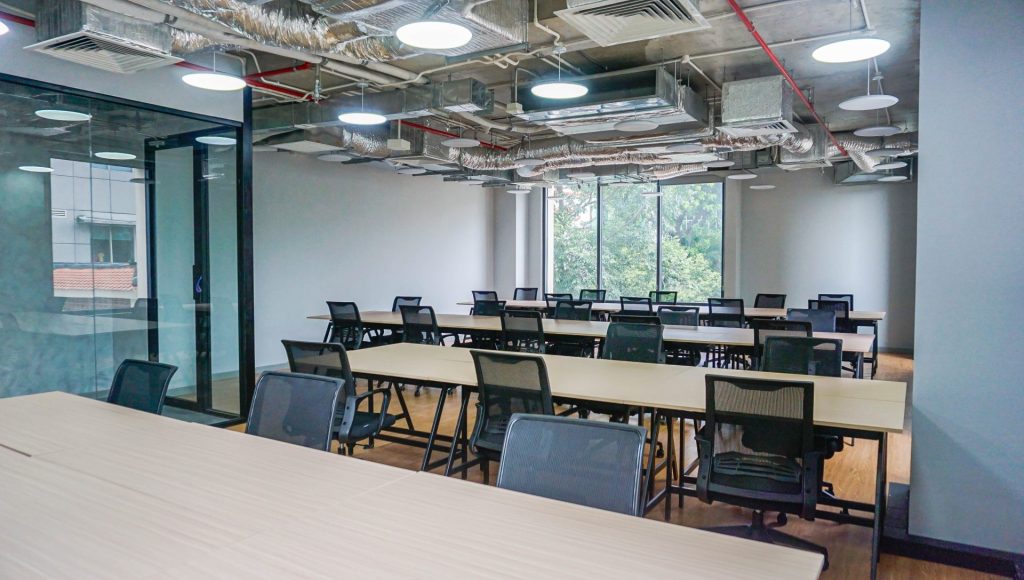
A common workplace frustration is finding and booking meeting spaces. Smart office solutions tackle this with digital displays outside rooms showing real-time availability, user-friendly booking platforms (often integrated with calendars like Outlook or Google Calendar), and sensors inside the rooms. These sensors can detect if a booked room is actually occupied and automatically release it back into the available pool if it remains empty after a certain time, maximizing resource utilization. Automation can also extend to setting up AV equipment seamlessly.
Reliable Network Infrastructure
The backbone of any smart office is a robust and secure network. This includes high-performance Wi-Fi capable of handling numerous connected devices simultaneously and potentially separate networks for building management systems and IoT devices to ensure reliability and security.
Energy Monitoring and Management
Dedicated systems track energy consumption patterns for lighting, HVAC, and other equipment. This detailed insight allows facility managers to identify areas of inefficiency, benchmark performance, and verify the savings achieved through smart automation, directly supporting cost reduction and corporate sustainability goals.
Which Businesses Stand to Gain the Most from a Smart Office?
Smart office technology can bring significant value to a wide range of companies. While some businesses may see faster returns on investment, almost any organization can benefit by integrating these solutions into their operations.
Certain types of companies, however, are especially well-positioned to make the most of a smart office environment:
- Businesses Focused on Innovation and Technology: For companies whose brand and culture are built around technology and forward-thinking, having a smart office is almost essential. It aligns the physical workspace with the company’s identity and can serve as a living showcase of innovation.
- Companies with Large or Multiple Real Estate Holdings: Organizations managing significant office space have the most to gain financially from optimization. The potential savings from energy efficiency and improved space utilization across a large portfolio can be substantial, offering a clear return on investment (ROI).
- Organizations Embracing Hybrid Work Models: As flexible work arrangements become the norm, smart offices are critical enablers. Technologies like desk and room booking systems, occupancy sensors providing real-time availability data, and seamless remote collaboration tools are vital for managing a fluid workforce and ensuring a positive experience for employees whether they are in the office or remote.
- Businesses Prioritizing Employee Well-being and Experience: In the ongoing “war for talent,” the quality of the work environment is a key differentiator. Companies that invest in smart office features focused on comfort, convenience, health, and personalization demonstrate a commitment to their employees, aiding recruitment and retention.
- Companies with Strong Sustainability Goals: For businesses aiming to reduce their environmental impact and meet ESG (Environmental, Social, and Governance) targets, the energy savings offered by smart offices provide a measurable way to achieve these goals.
It’s important to note that implementing a smart office doesn’t have to be an all-or-nothing proposition. Small and medium-sized businesses (SMBs) can start with targeted solutions, such as smart lighting, thermostats, or a simple room booking system, and scale their implementation over time as needs evolve and budgets allow.
Looking for a workspace that already puts these ideas into action? The Sentry offers flexible, modern environments designed for how people work today.
Book a tour and see how we can work for you!
YOU MAY BE ALSO INTERESTED IN

Branch Office vs Representative Office in Vietnam: Which Should Foreign Companies Choose?
Foreign companies entering Vietnam usually run into the same question early on. Do you register a representative office or a branch office? The two structures look alike at first glance. Both let a foreign company operate under Vietnamese law without setting up a fully separate local entity. The similarities stop there once you look at […]
Best Coworking Spaces in District 2 & Thao Dien (2026)
District 2 and Thao Dien have become the go-to base for founders, freelancers, and remote teams who want a workspace close to where they actually live. The area sits across the river from downtown Saigon, but Metro Line 1 and a fast-growing business scene have turned it into a work hub in its own right. This […]
How Much Does a Serviced Office Cost in Ho Chi Minh City? 2026 Pricing Guide
Shopping for office space in Ho Chi Minh City usually comes down to one question: what is this actually going to cost? The answer depends on what kind of serviced office you pick, but most businesses end up paying somewhere between 1,500,000 VND and 15,000,000 VND per person each month. A hot desk sits at […]

Interested in this location?
Complete the form below to book a tour or connect with one of our team members to find out more.