Serviced Office vs Traditional Office Lease in Vietnam: Cost, Flexibility & Commitment Compared

A serviced office in Vietnam costs more per square metre, yet asks for almost nothing upfront and lets you leave on short notice. A traditional office lease costs less per square metre, but ties you to a three-to-five-year contract and a large fit-out bill before anyone sits down.
For teams of up to around 20 people, a serviced office often works out cheaper over the first two to three years once deposits, fit-out and running costs are counted. Larger, stable teams with a long-term plan usually save more with a lease.
What You Get With Each Option
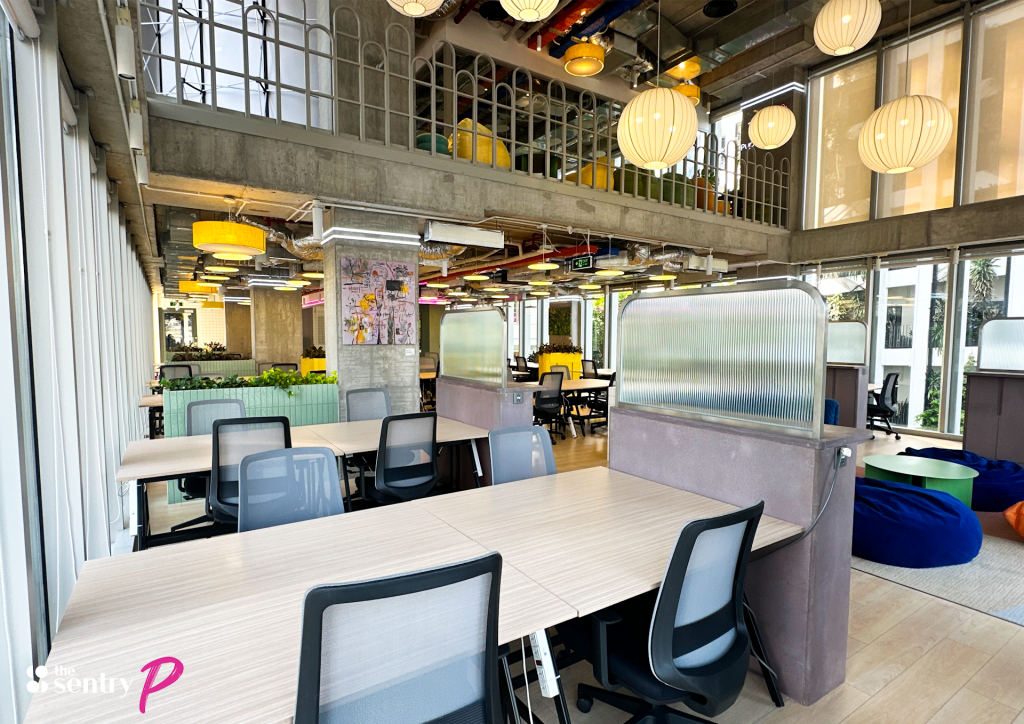
The biggest difference between the two models is who pays to set the space up and keep it running.
Serviced Office
The operator furnishes the office and runs everything around it. Reception, internet, cleaning, security, utilities and shared meeting rooms are bundled into one monthly fee, usually priced per person or per suite. Contracts run anywhere from a month to two years, and you can move in within days.
Traditional Office Lease
You rent space directly from a building owner, priced per square metre, usually as a bare or basic shell. Leases in Ho Chi Minh City commonly run three to five years. Design, fit-out, furniture, IT, utilities and staff are all separate costs that you organise yourself, and in return you control every detail of the space.
>>> Read more: What Is a Serviced Office and How Does It Work?
Serviced Office vs Traditional Office Lease at a Glance
Here is how the two compare on the points that matter most when you’re choosing an office in Vietnam.
| Factor | Serviced Office | Traditional Lease |
|---|---|---|
| Typical term | 1 to 12 months | 2 years or more |
| Deposit | Usually 1 to 2 months | Usually 2 to 3 months of base rent |
| Fit-out | Included | Paid by the tenant |
| Furniture and IT | Included | Paid by the tenant |
| Move-in time | A few days | Several weeks to a few months |
| Monthly bills | One all-in fee | Rent, utilities, internet, cleaning and staff |
| Branding and layout | Limited | Full control |
| Scaling up or down | Easy, often within the same centre | Needs a new lease or a sublet |
| Exit cost | Minimal | Reinstatement to original condition |
Cost Comparison: What You Actually Pay
Headline rent rarely tells the full story. A fair comparison adds up everything each option costs from the day you sign to the day you hand back the keys.
Figures below use roughly VND 26,000 to the US dollar.
Upfront Costs
Traditional leases carry most of their cost at the start. Deposits typically equal two to three months of base rent. Fit-out in Ho Chi Minh City averaged around USD 657 per sqm in 2026, or about VND 17 million per sqm. For a 100 sqm office, that comes to roughly VND 1.7 billion (USD 65,700) before you buy furniture or IT equipment.
A serviced office usually asks for a deposit of one to two months and little else. Desks, chairs, internet and meeting rooms are ready on day one.
Monthly Costs
Grade A space in the CBD carried a gross asking rent of about VND 1.7 million (USD 64.7) per sqm per month in Q1 2026. Grade B averaged about VND 870,000 (USD 33.6). Tenants then add electricity, internet, cleaning, security and any reception staff they hire.
Serviced offices price by desk or by suite, and the fee bundles most of those extras. Budgeting gets simpler because the bill stays the same each month.
Exit Costs
Many traditional leases include a reinstatement clause, so you must return the space to its original bare condition. That can cost USD 5 to 10 per sqm, on top of any penalty for leaving early. Leaving a serviced office normally takes notice and a handback inspection.
>>> Read more: How Much Does a Serviced Office Cost in Ho Chi Minh City? 2026 Pricing Guide
Which Works Out Cheaper?
For teams under roughly 20 to 30 people, or anyone planning less than two or three years ahead, a serviced office usually costs less once fit-out and deposits are counted. Larger teams staying for many years can spread fit-out over a longer period, which tips the numbers toward a lease.
Flexibility and Commitment
Cost is only half the decision. The other half is how tightly you’re bound if your plans change, and in a fast-moving market like Ho Chi Minh City, plans often do.
A serviced office lets you:
- Move in within days
- Add desks or switch to a larger suite
- Leave on short notice
- Try a new district before committing
- Keep cash free for hiring and growth
A traditional lease gives you stability in return. Your rent is fixed for the term, your address stays the same, and you can design the space around your brand and the way your team works. The risk is that a two- or three-year commitment may outlast your plans.
The current market helps tenants here. Grade A vacancy stood at 16.5% in Q1 2026, which gives you room to negotiate. If you go the lease route, ask about break clauses and rent-free periods to cover the fit-out.
Which Option Suits Your Business?
The right choice depends on your team size, your growth plans and how long you expect to stay. These are the situations that come up most often.
Startups and Small Teams
A serviced office keeps cash free for hiring and product work. You get a professional address and meeting rooms without spending on fit-out, and you can grow one suite at a time.
Foreign Companies Entering Vietnam
New entrants rarely know how fast they will grow in the first year. A serviced office gives them a ready business address for licensing and banking, plus room to adjust while the local team takes shape.
>>> Read more: Branch Office vs Representative Office in Vietnam: Which Should Foreign Companies Choose?
Project Teams and Temporary Expansion
Short projects fit monthly terms well. You can add a suite for six months and hand it back when the work wraps up.
Established Companies With Stable Headcount
A team of 50 or more with steady plans can often save with a lease, especially if it wants a branded office across a full floor and expects to stay five years or longer.
Regional Headquarters
Companies building a long-term Vietnam hub often lease space in a Grade A tower for brand presence. Many keep a serviced office alongside it for overflow teams and new projects.
Which Option Suits Your Business
The right answer depends on your team size, how certain your plans are and how much you want to spend upfront. Here’s how it usually plays out.
Startups and Small Teams
A serviced office keeps cash in the business for hiring and growth. With no fit-out and a short contract, you can put your energy into the work itself.
Foreign Companies Entering Vietnam
Most foreign companies start in a serviced office while they test the market and complete their licences. Once the business finds its footing, they can decide whether a long lease makes sense.
Project Teams With a Fixed End Date
Teams working on a 6 to 18 month project rarely justify a five-year lease. A serviced office matches the timeline and ends when the project does.
Fast-Growing Companies
If headcount could double within a year, flexibility is worth more than a lower rent. A serviced office lets you add seats as you hire.
Established Teams of 30 or More
Large, stable teams with a five-year view often get better value from a lease. The fit-out cost spreads across more people and more years, and you gain full control over layout and branding.
Regional Headquarters
Companies building a flagship office often choose a lease for design control. Many still keep a serviced suite for satellite teams or overflow.
Questions to Ask Before You Sign
Two offers can look similar on paper and end up costing very different amounts. Ask these questions of any landlord or operator:
- What exactly does the monthly price include?
- How much is the deposit, and when is it returned?
- What notice period applies if you leave?
- Can you add or remove seats during the term?
- Who pays for reinstatement at the end?
- How much can rent rise each year?
- Are VAT invoices issued for every payment?
- Can you register your company at this address?
Clear written answers to these will show you the true cost of each option.
Get the Flexibility of a Serviced Office at The Sentry
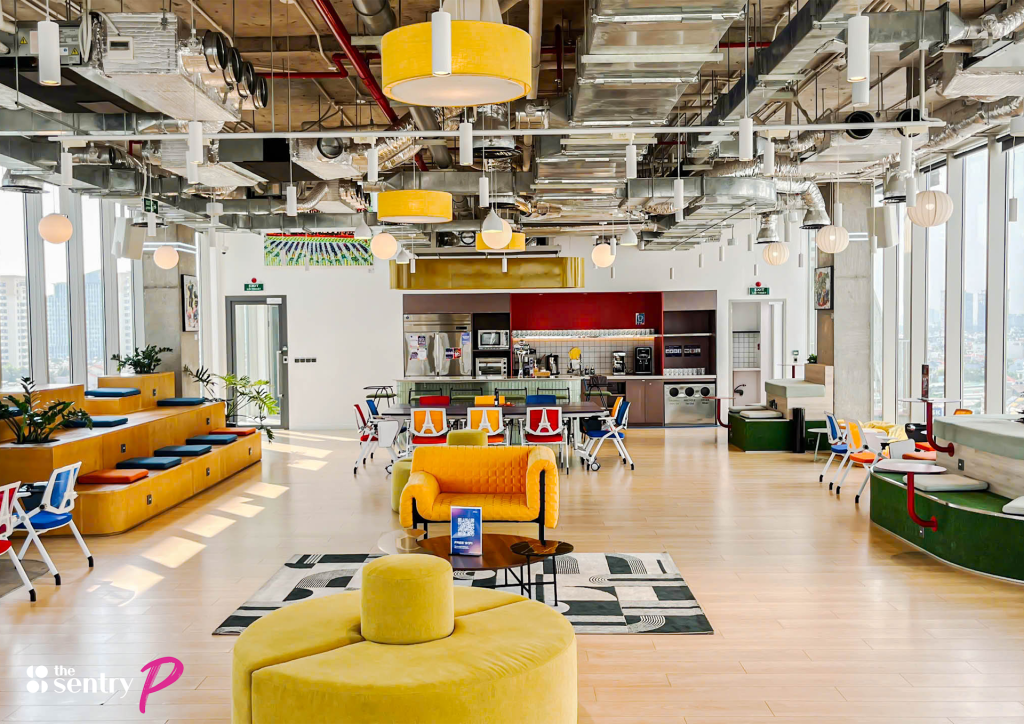
At The Sentry, we take care of the costs and commitments that make a traditional lease so heavy. Our offices are furnished and ready to use, so there’s no fit-out bill, no reinstatement at the end and no long lease to sign. One monthly fee covers reception, internet, cleaning and meeting rooms, and you can add or reduce seats as your team changes.
You’ll find us in four parts of Ho Chi Minh City. The Sentry C and The Sentry Z sit in District 1 near banks and law firms, The Sentry P serves international teams in Thao Dien, and The Sentry Q at Orbital 2.0 in Quang Trung Software City suits tech companies. Every location also connects you with a community of more than 70 startups and established firms.
Book a tour today and see which space fits your team.
YOU MAY BE ALSO INTERESTED IN

Serviced Office vs Traditional Office Lease in Vietnam: Cost, Flexibility & Commitment Compared
A serviced office in Vietnam costs more per square metre, yet asks for almost nothing upfront and lets you leave on short notice. A traditional office lease costs less per square metre, but ties you to a three-to-five-year contract and a large fit-out bill before anyone sits down. For teams of up to around 20 […]

How to Open a Corporate Bank Account in Vietnam for Foreign Companies (2026)
Opening a corporate bank account in Vietnam is one of the first jobs after your company receives its Enterprise Registration Certificate. Foreign-owned companies usually need two kinds of account: a direct investment capital account (DICA) to bring in charter capital, and a regular current account in Vietnamese dong to pay staff, taxes and suppliers. With […]

How Much Does It Cost to Set Up a Company in Vietnam? Full Fee Breakdown (2026)
If you’re opening a small foreign-owned company in Vietnam, plan on spending around VND 80 to 160 million (USD 3,000 to 6,000) on fees and professional help. That gets you registered. Your charter capital, office rent and first year of accounting and audit come on top. What surprises most founders is how little the government […]

Interested in this location?
Complete the form below to book a tour or connect with one of our team members to find out more.