How to Open a Corporate Bank Account in Vietnam for Foreign Companies (2026)

Opening a corporate bank account in Vietnam is one of the first jobs after your company receives its Enterprise Registration Certificate. Foreign-owned companies usually need two kinds of account: a direct investment capital account (DICA) to bring in charter capital, and a regular current account in Vietnamese dong to pay staff, taxes and suppliers. With the paperwork ready, most banks can open both within one to two weeks.
The rules got stricter in 2025. Banks now check your legal representative’s face and identity papers before the account can make online payments, so plan on at least one trip to the branch. Here’s what each account does, which papers to bring, and how to get through the process without delays.
The Bank Accounts a Foreign Company Needs in Vietnam
Most foreign-invested companies end up with three or four accounts. Each one has a set job under Vietnam’s foreign exchange rules, and sending money through the wrong one is a quick way to get a transfer rejected.
Direct Investment Capital Account in Foreign Currency
This is where your foreign investors send charter capital. It also handles foreign loans, profit transfers abroad and any money you take home if the company ever closes. Under Circular 06/2019/TT-NHNN, you can hold only one DICA per foreign currency, and all of them must sit at a single licensed bank.
Direct Investment Capital Account in VND
If any capital comes in Vietnamese dong, you can open one VND DICA at that same bank. Plenty of companies never need it, since most investors send US dollars or euros.
VND Current Account
Everyday spending runs through this account. Rent, salaries, social insurance, taxes and supplier invoices all go out from here. You’re free to hold current accounts at more than one bank if that suits you.
Foreign Currency Current Account
Companies that import, export or pay overseas vendors often add a USD or EUR current account for those payments.

Which Account Handles What
Each account serves a defined purpose under Vietnam’s foreign exchange rules. The breakdown below shows which transactions belong in each one.
- Foreign currency DICA
- Charter capital from investors
- Foreign loans and repayments
- Profits sent abroad
- VND current account
- Salaries and social insurance
- Taxes
- Rent and local suppliers
- Foreign currency current account
- Payments to overseas vendors
- Payments from overseas clients
A simple habit helps here. Name the right account in every payment instruction you give to investors, staff and suppliers, and money will land where it should from day one.
Representative offices have a simpler setup. With no charter capital involved, they open a regular account that the parent company tops up to cover running costs.
>>> Read more: Branch Office vs Representative Office in Vietnam
Documents You’ll Need to Open a Corporate Bank Account
Every bank keeps its own checklist, though the core papers look much the same from one to the next. Expect to bring:
- Company documents
- Enterprise Registration Certificate
- Investment Registration Certificate, if issued
- Company charter
- Company seal
- Appointment documents
- Decision appointing the legal representative
- Decision appointing the chief accountant or person in charge of accounting
- Identity documents
- Passports of the legal representative and chief accountant
- Visas or temporary residence cards for foreign nationals
- Bank forms
- Account opening application
- Signature specimen cards
- Beneficial ownership declaration for anti-money laundering checks
Banks generally require originals or certified copies. Documents issued abroad for the parent company typically need consular legalisation and a certified Vietnamese translation. Where the legal representative is based overseas, confirm early whether the bank accepts a notarised power of attorney for any stage of the process, as practice differs between banks.
>>> Read more: Vietnam Work Permit Guide for Foreigners
How to Open a Corporate Bank Account in Vietnam
Things move quickly once the paperwork is in order. Here’s the usual sequence for a newly registered foreign-owned company.
Step 1: Pick Your Bank
Moving a DICA later means closing it and opening a fresh one elsewhere, so choose a bank you’re happy to stay with for years.
Banks experienced with foreign-owned companies include:
- HSBC: global network, English-speaking teams
- Standard Chartered: cross-border payments and trade finance
- UOB: dedicated FDI advisory team
- Shinhan: popular with Korean companies
- MUFG and SMBC: suited to Japanese parent companies
- Vietcombank: largest local bank for foreign exchange
- Techcombank and VPBank: modern English-language banking apps
Service varies by branch, so meet a relationship manager first.
Step 2: Book an Appointment and Send Documents Ahead
Most banks will look over scanned documents by email before your visit. That pre-check catches missing pages or expired passports before anyone makes the trip.
Step 3: Visit the Branch for Identity Checks
The legal representative signs the forms and goes through identity checks at the branch. Since 1 July 2025, companies can only withdraw funds or pay electronically once the legal representative’s biometric data has been verified. Foreign representatives complete this check with their passport, either at the branch or through the bank’s app.

Step 4: Open the DICA and Bring In Capital
Once the DICA is active, your investors can wire the charter capital from abroad. The full amount is due within 90 days of the ERC being issued. Add a payment reference that names the transfer as a capital contribution so the bank can match it to your records.
Step 5: Open the Current Account and Move Funds Across
With the VND current account open, transfer money from the DICA and start paying bills. Keep the DICA for investment flows only.
Step 6: Set Up Online Banking and Payroll
Register for corporate internet banking and set user roles, such as one person who prepares payments and another who approves them. Connect payroll next. Your first salary run also needs social insurance registration in place.
>>> Read more: How to Hire Your First Employees in Vietnam
Local Banks vs Foreign Banks in Vietnam

Foreign companies usually pick between Vietnam’s large commercial banks and the international banks operating here. Both can open a DICA, and the better fit depends on your size, the currencies you deal in and how much English support your team needs.
| Factor | Local Commercial Banks | Foreign Banks |
|---|---|---|
| Examples | Vietcombank, BIDV, Techcombank, VPBank | HSBC, Standard Chartered, Shinhan, UOB |
| Branch network | Wide, reaching smaller provinces | Mostly in major cities |
| English support | Varies by branch | Usually strong |
| Fees and minimum balance | Generally lower | Often higher |
| Cross-border payments | Fine for common currencies | Strong, with links to group offices abroad |
| Onboarding time | Often faster | Compliance reviews can take longer |
Whichever way you lean, a few questions will tell you a lot about the bank before you commit:
- Is there an English-speaking relationship manager for foreign-owned companies?
- How long does a DICA usually take to open for a company like yours?
- What are the monthly fees and minimum balance?
- Is the corporate banking app available in English?
- Can you pay salaries, taxes and social insurance straight from the platform?
Plenty of foreign companies end up using two banks. A foreign bank might hold the DICA for its international links, while a local bank with a wider branch network handles payroll and taxes. This setup works well, as long as every transfer from the DICA to the other bank carries a clear payment description. Bear in mind that each extra account adds a little more work for your accountant at audit time.
How Long It Takes and What It Costs
With a complete file, local banks often open both accounts within a few working days. Foreign banks can take two to four weeks while their compliance teams review the parent company and its owners.
Typical Fees
Opening the account itself is free at most banks. After that, expect a small monthly account fee, internet banking charges and a fee on each international transfer. Foreign banks tend to set higher minimum balances and charge more per transaction, so ask for the full tariff sheet before you sign anything.
Corporate cards, payroll services and SMS alerts usually carry small charges of their own. If you expect to make regular international payments, ask whether the bank offers better exchange rates for frequent transfers. On larger amounts, the gap in currency conversion rates can easily cost more than the transfer fee itself.
Planning Around the Timeline
Your 90-day capital deadline starts on the date the ERC is issued, and it keeps running while the bank reviews your file. Start on the bank paperwork the week your ERC arrives, and leave some breathing room in case the bank comes back with questions.
Once the account is live, rent is usually the next big monthly bill to plan for.
>>> Read more: How Much Does a Serviced Office Cost in Ho Chi Minh City?
Common Problems and How to Avoid Them
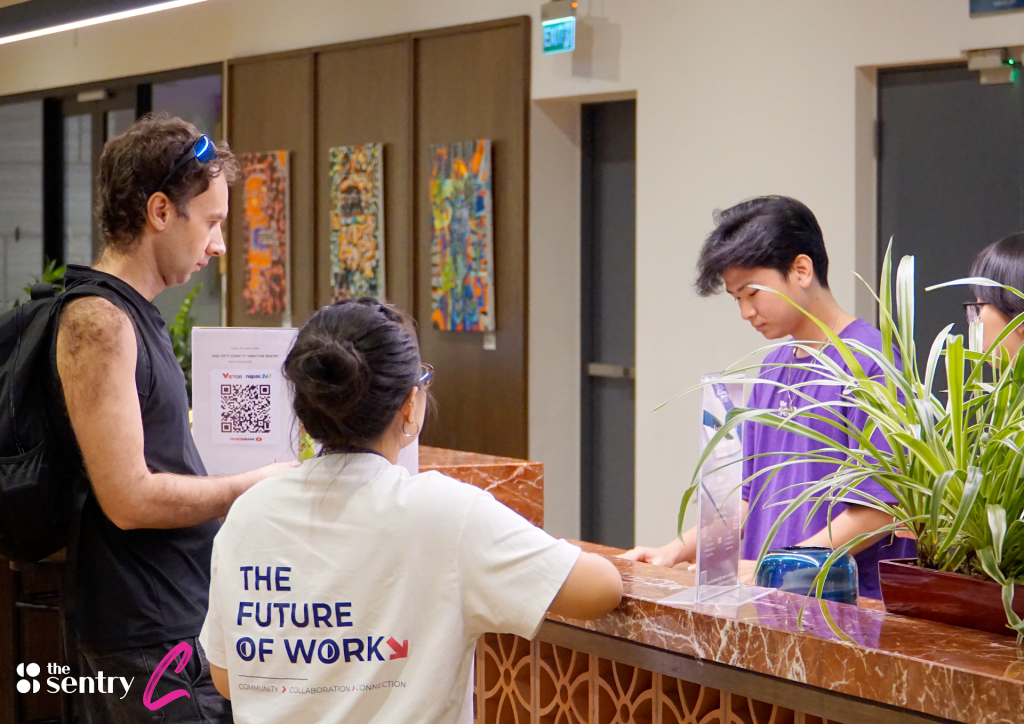
Most delays come down to a handful of familiar issues. Knowing them in advance can save you a second trip to the bank.
The Legal Representative Lives Abroad
Biometric checks need the legal representative in person or on the bank’s app with a verified passport. If that person rarely visits Vietnam, plan a trip around the account opening or appoint a legal representative based here.
Mismatched Names and Details
A passport spelling that differs slightly from the ERC is enough to stall an application. Check every name, number and address across your documents before you submit.
Capital Sent to the Wrong Account
Charter capital that lands in a current account won’t be recorded as a capital contribution, and fixing it means extra paperwork with the bank. Share the DICA details with your investors in writing and ask them to confirm before they send.
Office Address Checks
Some banks call or visit to confirm your registered office is real. A staffed reception desk and a lease the bank can verify make this step painless.
Rule Changes on the Way
The State Bank of Vietnam is preparing a new circular to replace Circular 06 that would let investors open a capital account before the IRC is issued. Ask your bank which rules apply on the day you start.
Managing Your Accounts After They Open
Getting the accounts open is only the start. A few routine tasks come up again and again in the first couple of years, and handling them well keeps your bank relationship easy.
Sending Profits Back to the Parent Company
Profits leave Vietnam through the DICA. Banks normally ask to see audited financial statements and proof that the year’s corporate income tax has been finalised before they release the transfer. Most companies remit once a year after the audit wraps up, so build that timing into your group’s cash planning.
Changing the Legal Representative or Chief Accountant
People move on, and the bank needs to know when they do. After you update the company’s registration, send the new appointment papers to the bank and have the new legal representative complete the identity and biometric checks. Until that’s done, online payments may be paused.
Adding More Capital
If the business grows and investors put in more money, the extra capital must also come in through the DICA. Register the increase with the authorities first, then ask investors to send funds with a clear payment reference, as they did the first time.
Keeping Clean Records for the Audit
Auditors will trace every capital transfer, loan and profit payment through your statements. Save bank confirmations for each one in a shared folder as they happen. It saves your accountant hours at year end and makes next year’s profit transfer quicker to approve.
Set Up Your Vietnam Company at The Sentry

A bank account is much easier to open when your office is easy to verify, and that’s where we come in. At The Sentry, we hand you the lease and building documents banks ask for. Our front desk team greets bank staff when they stop by to check your address, and keeps your mail and official letters safe while you’re out.
When it’s time to sit down with your banker, accountant or investors, just book one of our meeting rooms. Our plans stay flexible too, so you can start with a single desk or a private office and add space as your team grows.
You’ll find us in four parts of the city. The Sentry C and The Sentry Z are in District 1, close to major banks and law firms. The Sentry P sits in Thao Dien, and The Sentry Q is at Orbital 2.0 in Quang Trung Software City. Whichever you choose, you’ll be working alongside more than 70 startups and companies.
Book a tour today and find the right office for your new company.
YOU MAY BE ALSO INTERESTED IN

Serviced Office vs Traditional Office Lease in Vietnam: Cost, Flexibility & Commitment Compared
A serviced office in Vietnam costs more per square metre, yet asks for almost nothing upfront and lets you leave on short notice. A traditional office lease costs less per square metre, but ties you to a three-to-five-year contract and a large fit-out bill before anyone sits down. For teams of up to around 20 […]

How to Open a Corporate Bank Account in Vietnam for Foreign Companies (2026)
Opening a corporate bank account in Vietnam is one of the first jobs after your company receives its Enterprise Registration Certificate. Foreign-owned companies usually need two kinds of account: a direct investment capital account (DICA) to bring in charter capital, and a regular current account in Vietnamese dong to pay staff, taxes and suppliers. With […]

How Much Does It Cost to Set Up a Company in Vietnam? Full Fee Breakdown (2026)
If you’re opening a small foreign-owned company in Vietnam, plan on spending around VND 80 to 160 million (USD 3,000 to 6,000) on fees and professional help. That gets you registered. Your charter capital, office rent and first year of accounting and audit come on top. What surprises most founders is how little the government […]

Interested in this location?
Complete the form below to book a tour or connect with one of our team members to find out more.