Business Innovation Starts With Office Design: How Smart Offices Speed Up Collaboration

The office you work in shapes the ideas you produce. It affects how quickly your team communicates, how freely creativity flows, and how willing people are to show up and do their best work. For businesses in Ho Chi Minh City, where competition for talent and clients continues to grow, the physical workspace has become one of the most direct drivers of business innovation.
Why Office Design Is a Business Strategy, Not Just an Aesthetic Choice
Most business leaders think about product, marketing, and operations when planning for growth. The workspace itself is often treated as a background detail. But research consistently shows that the design of a physical environment has a direct impact on how people think, collaborate, and perform.
Studies have found that employees with access to natural light and outdoor views report an 18% increase in productivity. A separate survey found that 86% of employees believe well-designed collaborative spaces have a positive impact on teamwork. These are not small margins. At the level of an entire organization, they represent a meaningful difference in output, speed, and morale.
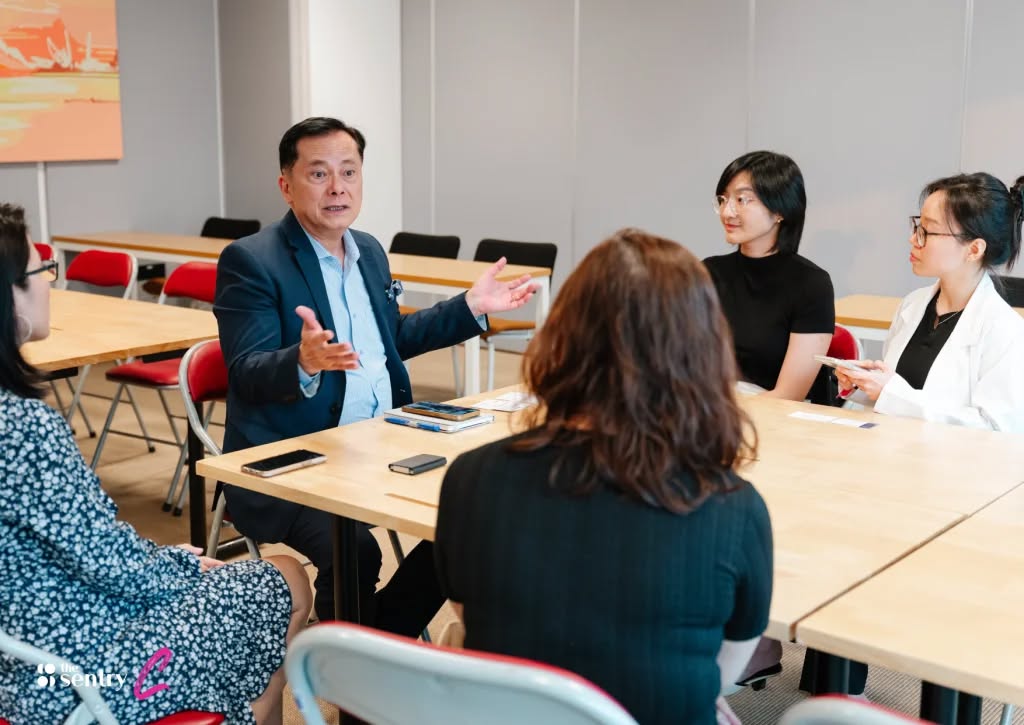
The shift happening in offices right now is a move away from one-size-fits-all floor plans and toward spaces that serve specific types of work. Innovation, after all, is not a single activity. It requires moments of focused thinking, open-ended brainstorming, spontaneous conversation, and structured group decision-making. A well-designed smart office makes room for all of these.
There is a reason why some of the world’s most recognized companies invest heavily in their office environments. Google redesigned its campuses with open layouts and creative zones and saw improvements in team collaboration. Salesforce added ergonomic furniture and quiet areas to help employees shift between focused work and group sessions.
JLL research found that in a redesigned Tokyo office, satisfaction scores rose from 58 to 83 out of 100, while productivity scores climbed from 52 to 71. The redesign drew on elements like better natural light, varied workspaces, and green areas. The results were not based on a software upgrade or a new management policy. They came from rethinking how the space was organized.
The Design Elements That Actually Drive Collaboration
Not every office trend is equally valuable. But several design principles have shown real results across different types of teams and industries.
Open Layouts Paired With Private Zones
The open-plan office became popular for good reason. It removes physical barriers between team members, encourages spontaneous conversation, and makes it easier to cross-pollinate ideas between departments. But an open floor plan without any private spaces creates a different problem: noise, distraction, and the inability to concentrate.
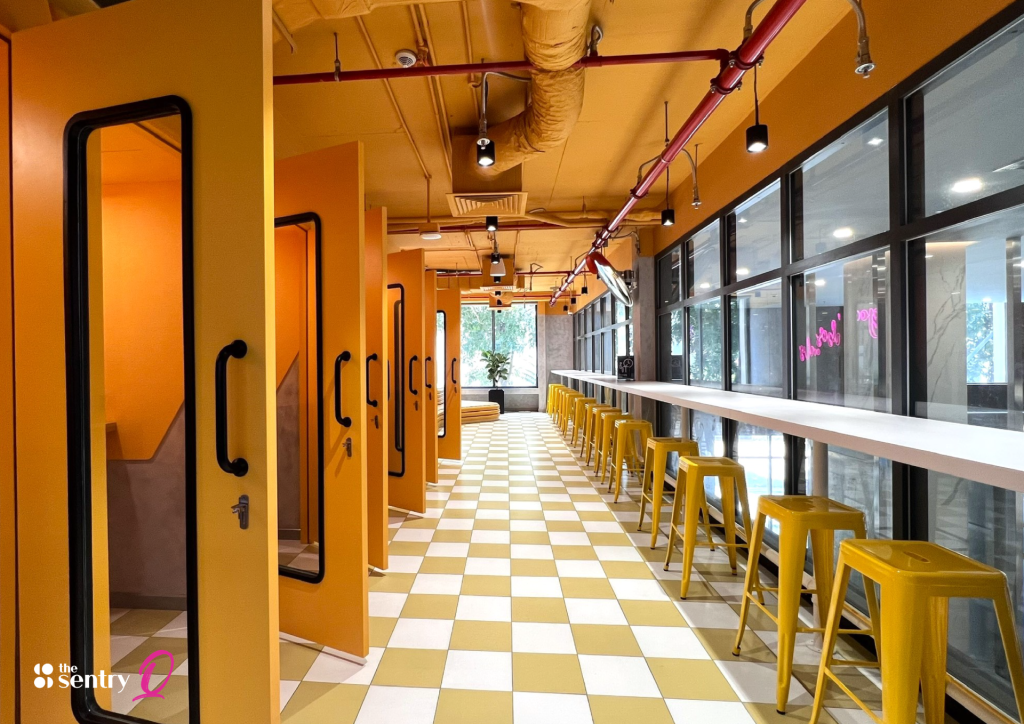
The most productive flexible offices balance open collaborative areas with private rooms, booths, and pods where individuals can retreat for focused work. This combination gives teams the flexibility to work the way each task requires, rather than forcing everyone into the same mode all day. Phone booths for quick calls, soundproofed meeting rooms for structured discussion, and open desks for social work are all part of what makes a space genuinely functional.
Natural Light and Biophilic Design
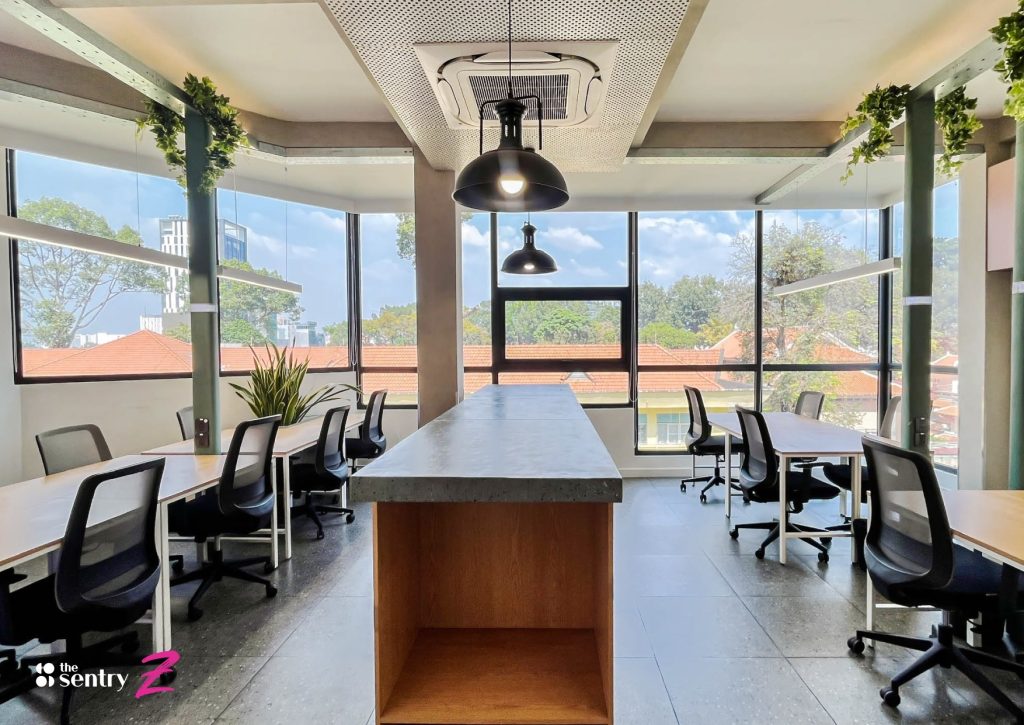
Biophilic design — which brings natural elements into the built environment through plants, natural materials, and access to daylight — has moved from a design trend to a workplace standard. Research has shown that biophilic elements improve productivity and creativity by as much as 15%.
Natural light plays a particularly large role. Beyond the productivity gains already mentioned, 82% of employees say that good lighting positively affects their mood and productivity. A workspace filled with sunlight simply feels better to be in, and that matters more than people tend to admit. When employees look forward to being in the office, they arrive with more energy and stay more engaged.
Ergonomics and Physical Comfort
According to research from the American Journal of Public Health, companies that invest in ergonomic furniture see a 67% decrease in absenteeism related to musculoskeletal issues, and a 24% increase in employee satisfaction. Ergonomic design is not about luxury. It is about removing physical obstacles so people can focus on their work.
Well-designed ergonomic offices typically include:
- Height-adjustable desks that allow people to alternate between sitting and standing
- Chairs that support correct posture over long working periods
- Monitor placement and lighting angles that reduce eye strain
- Flexible seating in breakout zones that encourages movement throughout the day
Smart Technology Integration
68% of companies are actively investing in smart office technologies to improve productivity, and this figure continues to grow. Smart offices use automated lighting, climate controls, and booking systems to reduce friction throughout the workday. When employees can reserve a meeting room in seconds, connect a laptop to a presentation screen without cables, and join a hybrid video call from a properly lit, soundproofed space, meetings run faster and more effectively.
Technology integration also matters for hybrid teams. As more businesses in Ho Chi Minh City operate across time zones and include both local and international members, the ability to run smooth digital meetings from a physical office becomes a direct competitive advantage.
Acoustic Design and Noise Management
70% of employees in open-plan offices report a need for better acoustic environments. Noise is one of the most commonly cited reasons why people feel less productive in a shared workspace. A smart office addresses this through acoustic panels, sound-absorbing materials, and strategic zoning that separates noisy collaborative areas from quieter focused work areas.
This is not just about comfort. Poor acoustics reduce the quality of conversations, slow down meetings, and make focused work nearly impossible. Getting this right is one of the clearest signs of a thoughtfully designed space.
The Connection Between Office Design and Business Innovation
Business innovation is often described as a cultural outcome, something that results from having the right people with the right mindset.
That is partly true. But culture does not exist in a vacuum. It is shaped by the physical environment people occupy every day.
When teams work in spaces that encourage casual cross-pollination between departments or between member companies, unexpected conversations happen. These conversations are where a lot of real innovation begins.
A startup founder overhears a conversation about logistics and recognizes a gap they had not spotted. A creative agency learns from a tech firm how to think about their onboarding process. This kind of ambient knowledge transfer is one of the most undervalued outcomes of a well-designed shared office.
Effective collaboration has been shown to increase innovation output by as much as 30%, and companies that emphasize active teamwork see a 27% increase in sales. These figures are tied not just to the people involved, but to whether the environment actively supports connection or passively discourages it.
How The Sentry Puts Design-Driven Collaboration Into Practice
The Sentry is one of Ho Chi Minh City’s most recognized coworking brands, operating across four locations in the city’s most significant districts. Each space is built around the principle that the environment directly shapes the work done inside it. The result is a network of offices that take design seriously and make it visible in every corner.
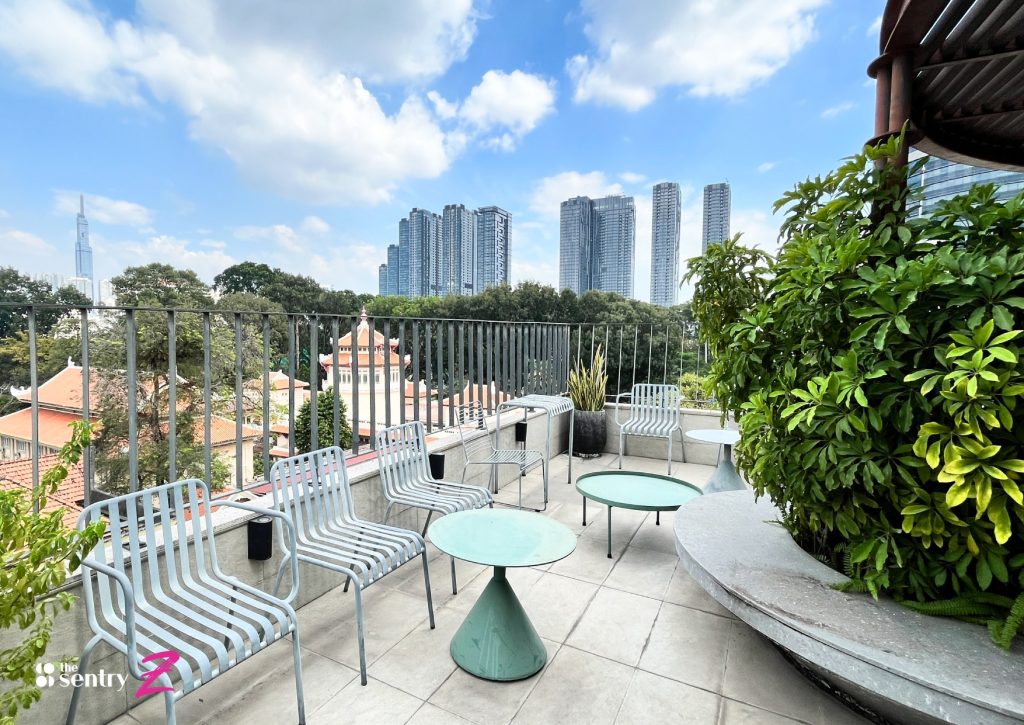
The Sentry C — District 1, Le Thanh Ton
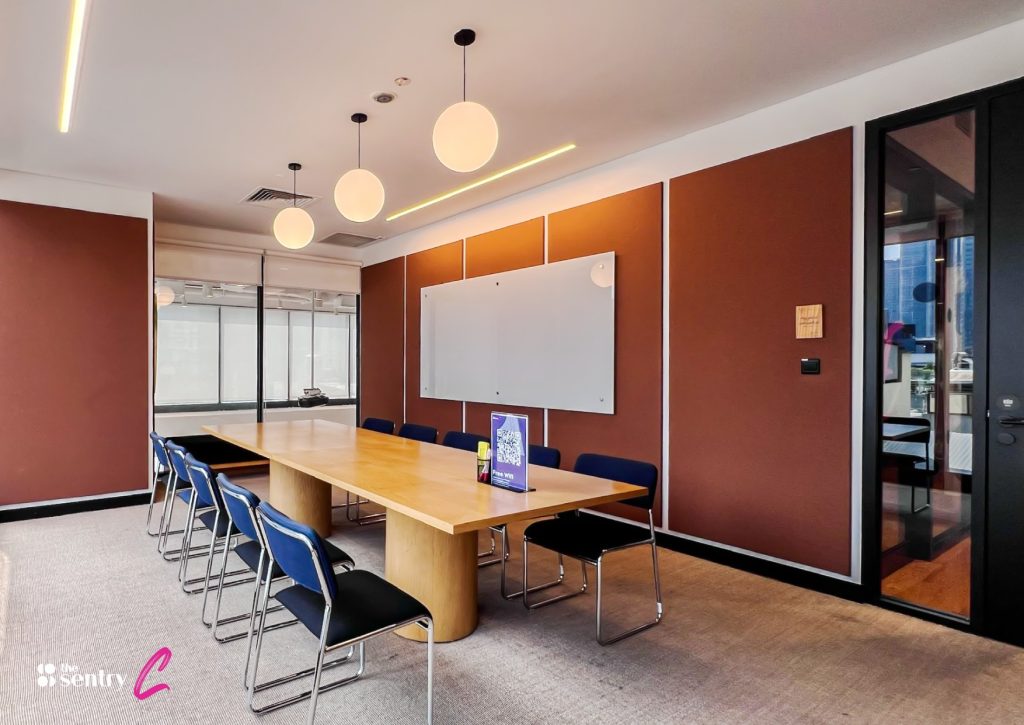
The flagship location sits at 15 Le Thanh Ton, in the heart of HCMC’s central business district. The Sentry C is home to more than 70 startups and businesses across industries including technology, finance, and e-commerce. Its design is sophisticated and open, with 24/7 access, high-speed internet, and meeting rooms configured for both small team discussions and larger client presentations. It is a space where tech and investment firms share a building and find each other in the corridors.
The Sentry Z — District 1, Nguyen Binh Khiem
The Sentry Z is Vietnam’s first coworking space to achieve Lotus Gold green building certification. Located near the Saigon Zoo at 25A/1 Nguyen Binh Khiem, it incorporates over 1.4 tonnes of recycled materials and dedicates more than half of its floor space to communal areas. Amenities include a rooftop garden, wellness zone, nap area, and modern meeting rooms. For businesses that want their physical workspace to reflect their values around sustainability and wellbeing, this is one of the most compelling options in the city.
The Sentry P — District 2, Thao Dien
Opened in 2023 at 16 Nguyen Dang Giai, The Sentry P brings together artistic design and advanced technology in one of the city’s most vibrant international neighborhoods. The space features an open layout for collaboration alongside private meeting rooms, phone booths, relaxation zones, and a rooftop entertainment area. It also offers dedicated facilities for parents, including a mother and baby area, plus complimentary yoga and meditation classes for members. For creative and tech entrepreneurs who want a space that matches the energy of their work, The Sentry P has few rivals in Thao Dien.
The Sentry Q — District 12, Quang Trung Software City
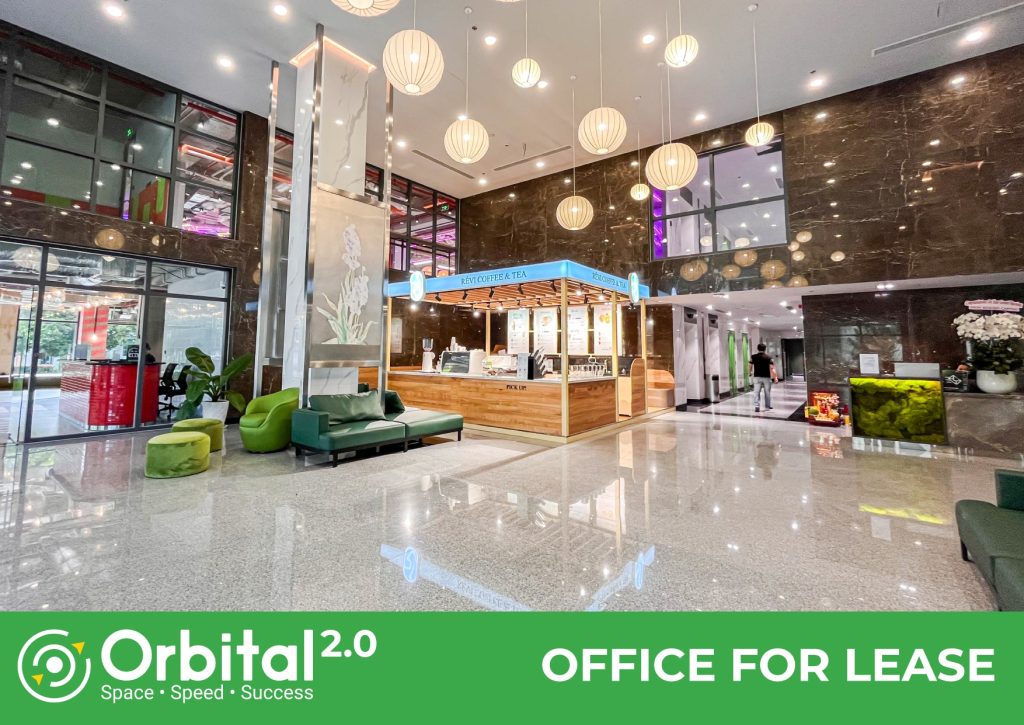
The newest addition to the network, The Sentry Q is located within the Orbital 2.0 campus at QTSC, HCMC’s growing IT park. The space spans three floors and includes a mezzanine, bar, coffee lounge, event spaces, training rooms, and focus pods alongside open coworking areas. Just 15 minutes from Tan Son Nhat International Airport, it serves both local tech companies and international teams passing through the city.
Across all four locations, The Sentry offers a range of membership types including dedicated desks, hot desks, private offices, virtual office packages, and event space hire. On-site teams handle setup, technical support, and day-to-day facilities management so members can stay focused on their actual work.
What to Look For When Choosing a Workspace for Your Team
Not every coworking space is built with the same level of intention. When evaluating a workspace against your innovation and collaboration goals, consider the following:
Meeting and Conference Infrastructure
Your team needs spaces where real discussions can happen. Look for private meeting rooms with good acoustics, video conferencing capability, and reliable internet. Rooms should accommodate everything from a two-person check-in to a full team sprint.
Community and Network Quality
The people working around you matter. A coworking space that has built a genuine community of professionals in complementary industries gives your team informal access to expertise, referrals, and potential partnerships that a standard serviced office cannot provide.
Flexibility and Scalability
Business needs change. A workspace that offers hot desks, dedicated desks, private offices, and virtual memberships lets you grow into or scale back from your commitment without disrupting operations.
Amenities That Support Daily Work
Reliable, high-speed internet is non-negotiable. Beyond that, look at what else the space provides: printing, secure storage, reception services, food and drink, event capacity, and access hours. These details determine whether your team can focus fully on work or is constantly managing logistics.
See the Space Before You Commit
The businesses that move fastest in competitive markets are usually the ones that have eliminated as much internal friction as possible. Smart office design is one of the most direct levers available to reduce that friction and increase the surface area for collaboration.
In a city as dynamic as Ho Chi Minh City, where talent is sharp and the pace of business is accelerating, the workspace you choose reflects your intentions as a company. It signals how seriously you take your team’s time, wellbeing, and potential.
The Sentry’s locations across Districts 1, 2, and 12 bring together premium design, strong community, and the full range of facilities that modern teams need to do their best work.
Book a tour with The Sentry today and find the right space for your team.
YOU MAY BE ALSO INTERESTED IN

Branch Office vs Representative Office in Vietnam: Which Should Foreign Companies Choose?
Foreign companies entering Vietnam usually run into the same question early on. Do you register a representative office or a branch office? The two structures look alike at first glance. Both let a foreign company operate under Vietnamese law without setting up a fully separate local entity. The similarities stop there once you look at […]
Best Coworking Spaces in District 2 & Thao Dien (2026)
District 2 and Thao Dien have become the go-to base for founders, freelancers, and remote teams who want a workspace close to where they actually live. The area sits across the river from downtown Saigon, but Metro Line 1 and a fast-growing business scene have turned it into a work hub in its own right. This […]
How Much Does a Serviced Office Cost in Ho Chi Minh City? 2026 Pricing Guide
Shopping for office space in Ho Chi Minh City usually comes down to one question: what is this actually going to cost? The answer depends on what kind of serviced office you pick, but most businesses end up paying somewhere between 1,500,000 VND and 15,000,000 VND per person each month. A hot desk sits at […]

Interested in this location?
Complete the form below to book a tour or connect with one of our team members to find out more.