Offices Near Metro Line 1 in Ho Chi Minh City: Which Areas Make the Most Sense for Your Team?

Ho Chi Minh City’s Metro Line 1 has changed the way businesses think about where to set up an office. Running from Ben Thanh Market in District 1 all the way to Suoi Tien in Thu Duc City, this 19.7-kilometer rail line connects some of the most active commercial zones in the city. For companies searching for offices near Metro Line 1 in Ho Chi Minh City, the question is no longer about whether to be close to a station. The question is which station area gives your team the best advantage.
This article breaks down the major zones along Metro Line 1, what each area offers, and how to choose the right fit based on your company’s size, industry, and budget.
Why Metro Line 1 Has Become a Magnet for Office Demand
Before Metro Line 1 began operations, commuting across Ho Chi Minh City during rush hour could easily take over an hour for a distance of just ten kilometers. Motorbike traffic, flooding during the rainy season, and unpredictable bus schedules made it difficult for employees to arrive on time or maintain a reasonable work-life balance.
With the metro now operational, travel times between District 1 and Thu Duc City have dropped dramatically. A commute that used to take 60 to 90 minutes by road can now be completed in under 30 minutes by rail. This shift has made offices near Metro Line 1 in Ho Chi Minh City far more attractive to both employers and employees.
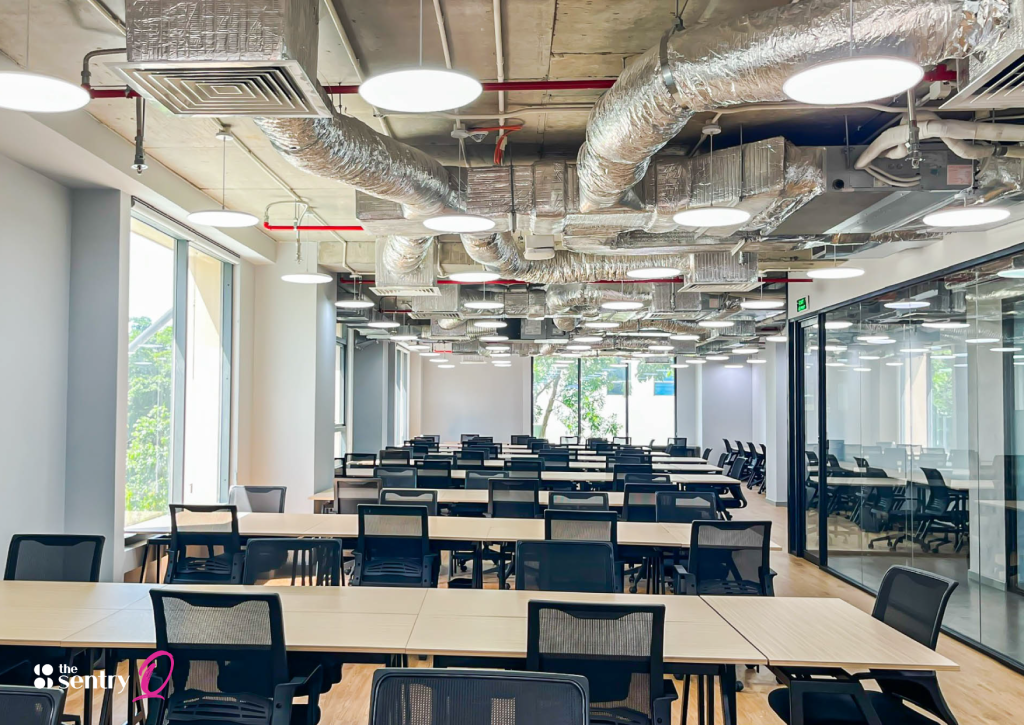
For employers, being near a metro station means access to a wider talent pool. Skilled workers who previously avoided long commutes to the city center are now willing to consider jobs along the metro corridor. For employees, a metro-accessible office means lower transportation costs, less stress, and more predictable schedules.
The result is a surge in demand for office space within walking distance of Metro Line 1 stations. Landlords, developers, and coworking operators have all responded by increasing supply along the route. But not every station area is equal, and the right choice depends on what your business actually needs.
A Quick Overview of The Metro Line 1 Route
Metro Line 1 runs through 14 stations, starting underground in the heart of District 1 and transitioning to an elevated rail line as it moves northeast toward Thu Duc City. The stations, in order, are:
- Ben Thanh
- Opera House (Municipal Theatre)
- Ba Son
- Van Thanh Park
- Tan Cang
- Thao Dien
- An Phu
- Rach Chiec
- Phuoc Long
- Binh Thai
- Thu Duc
- High-Tech Park
- National University
- Suoi Tien
Each station sits in a different neighborhood with its own character, price range, and business ecosystem. Let’s look at the areas that matter most for office tenants.
District 1: Ben Thanh, Opera House, and Ba Son Stations
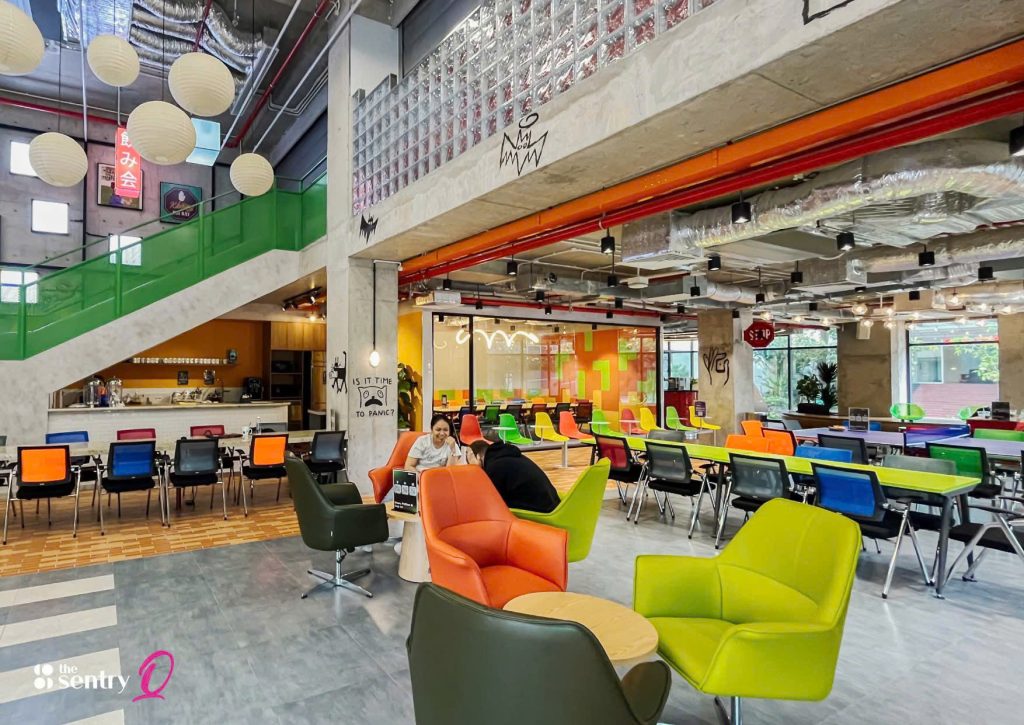
District 1 remains the most prestigious business address in Ho Chi Minh City. The three underground stations here place offices near Metro Line 1 in Ho Chi Minh City’s most established commercial district, surrounded by international banks, consulting firms, law offices, and multinational headquarters.
Ben Thanh Station
Located directly beneath the iconic Ben Thanh Market, this station sits at the intersection of several major roads and bus routes.
The area around Ben Thanh is home to a dense concentration of Grade A and Grade B office towers. Companies that need to host clients regularly or maintain a high-profile image tend to gravitate here.
Rental prices in the Ben Thanh area are among the highest in the city, typically ranging from $45 to $70 per square meter per month for Grade A space. For startups and small teams, traditional leases in this area can be prohibitively expensive. Coworking spaces and serviced offices have become popular alternatives, offering flexibility and a professional address without the long-term financial commitment.
Opera House Station
Just one stop from Ben Thanh, the Opera House station serves the Dong Khoi and Nguyen Hue corridor.
This is where you’ll find the headquarters of major Vietnamese corporations alongside international brands. The Vincom Center, Times Square, and several other mixed-use developments are within a short walk.
Office space here shares similar pricing to the Ben Thanh area, though some slightly older buildings offer more competitive rates. The dining and entertainment options surrounding Opera House station make it a popular choice for companies that prioritize employee lifestyle and client entertainment.
Ba Son Station
Ba Son represents a newer development zone.
The former Ba Son Shipyard has been transformed into a modern mixed-use district featuring Vinhomes Golden River and several commercial projects. This area offers newer building stock with more modern amenities compared to the older towers closer to Ben Thanh.
For companies that want a District 1 address but prefer a quieter, more residential feel, Ba Son is worth considering. The area is also positioned near the border with Binh Thanh District, providing easy access to both districts.
Binh Thanh District: Van Thanh Park and Tan Cang Stations
Binh Thanh District has been one of the biggest beneficiaries of Metro Line 1. Previously seen as a transitional zone between District 1 and the eastern suburbs, Binh Thanh has attracted significant investment in commercial real estate over the past few years.
Van Thanh Park Station
The area around Van Thanh Park station is developing rapidly. New office buildings and mixed-use projects are rising along Dien Bien Phu and Xo Viet Nghe Tinh streets. Rental prices here are noticeably lower than in District 1, often 30 to 40 percent less for comparable quality.
For growing companies that need more space but still want quick access to the District 1 business core, Van Thanh Park offers a practical middle ground. The commute to Ben Thanh station takes just a few minutes by metro, making client meetings in the city center easy to manage.
Tan Cang Station
Tan Cang station is located near the Saigon Pearl complex and the Vinhomes Central Park development. This area has a strong residential base, which means plenty of nearby amenities for employees, from gyms and supermarkets to international schools for expat staff with families.
Office options around Tan Cang tend to be in mixed-use buildings rather than dedicated office towers. This can be an advantage for smaller companies that prefer a more integrated environment where they can live, work, and socialize within a compact area.
Thu Duc City (Thao Dien and An Phu): The East Side Story
Thu Duc City, formed from the merger of District 2, District 9, and the old Thu Duc District, is where much of Ho Chi Minh City’s future growth is concentrated. The Thao Dien and An Phu stations along Metro Line 1 serve two of the most desirable neighborhoods on the east side of the Saigon River.
Thao Dien Station
Thao Dien has long been popular with the expat community. Its tree-lined streets, international restaurants, and boutique cafes give it a distinctly different character from the high-rise density of District 1.
Offices near Metro Line 1 in Ho Chi Minh City’s Thao Dien area tend to be in smaller, boutique-style buildings or converted villas.
This area works well for creative agencies, tech startups, and companies with international teams who value lifestyle alongside work. Rental costs are moderate compared to District 1, and the neighborhood’s walkability is a major draw for employees who prefer to avoid motorbike commutes entirely.
The metro connection to District 1 now takes under 15 minutes, which has removed what was previously Thao Dien’s biggest drawback: the time-consuming trip across the Saigon Bridge or through the Thu Thiem Tunnel during peak hours.
An Phu Station
An Phu sits just north of Thao Dien and is developing at a faster pace. The area around An Phu station includes newer residential towers and a growing number of commercial projects. It offers slightly lower rents than Thao Dien while maintaining a similar quality of life.
For companies that are scaling and need room to grow, An Phu provides more options for larger office footprints at reasonable rates. The area is also close to the Thu Thiem New Urban Area, which is expected to become a second central business district for Ho Chi Minh City in the coming years.
The Tech Corridor: High-Tech Park and National University Stations
Further along the metro line, the High-Tech Park and National University stations serve what many consider the future of Ho Chi Minh City’s innovation economy.
High-Tech Park Station
Saigon Hi-Tech Park (SHTP) is home to major manufacturers and technology companies including Samsung, Intel, Nidec, and several Vietnamese tech firms. The park has its own set of tax incentives and investment policies designed to attract technology and R&D operations.
Offices near Metro Line 1 in Ho Chi Minh City’s High-Tech Park zone are ideal for companies in manufacturing support, IT services, or technology development. Rental costs are significantly lower here than in the inner-city stations, and the park’s dedicated infrastructure means reliable power supply and internet connectivity.
The trade-off is that the area is more industrial in character. Dining, entertainment, and lifestyle amenities are limited compared to District 1 or Thao Dien. However, the metro connection means employees can easily reach the city center for after-work activities.
National University Station
The station near Vietnam National University Ho Chi Minh City serves a large student and academic population. For companies that rely on recruiting fresh graduates, particularly in IT, engineering, and science fields, having an office near this station provides a direct pipeline to young talent.
Several incubators and startup support programs operate in and around the university campus. Early-stage companies can benefit from proximity to research facilities, mentorship networks, and affordable labor.
How to Choose the Right Station Area for Your Office
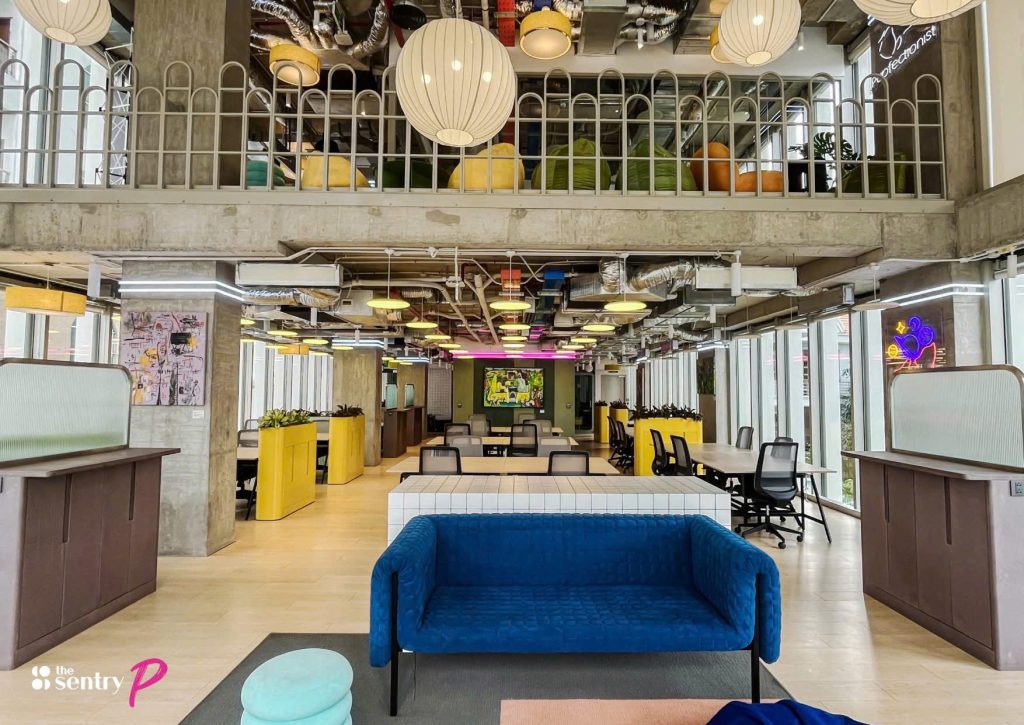
Selecting the right location along Metro Line 1 comes down to a few practical considerations.
Budget
If cost is your primary concern, look at stations from Rach Chiec onward. The further you move from District 1, the lower the per-square-meter rates become. A company that might afford 50 square meters in Binh Thanh could get 100 square meters or more near Thu Duc station for the same monthly cost.
Client Access
If your business requires frequent face-to-face meetings with clients based in the central business district, staying within the first five or six stations makes practical sense. Even with the metro, traveling from High-Tech Park to Ben Thanh for a quick meeting takes time, and first impressions still matter when clients visit your office.
Talent Pool
Think about where your employees live and where your potential hires are coming from. If you’re recruiting from universities, being near the eastern end of Metro Line 1 is logical. If you’re hiring experienced professionals who currently work in District 1 or District 3, a location near Van Thanh Park or Thao Dien might make the transition easier for them.
Industry Cluster
Certain industries naturally cluster in specific areas. Finance and legal services concentrate in District 1. Creative and digital agencies have gravitated toward Thao Dien and District 2. Technology and manufacturing support services are strongest around the High-Tech Park. Being near companies in your industry can help with networking, talent sharing, and business development.
Growth Plans
Consider where your company will be in two to three years. If you expect to double your team, choose an area where you can expand without needing to relocate entirely. Some coworking and flexible office providers along Metro Line 1 offer the ability to scale up within the same building, which avoids the disruption of a full move.
The Rise of Flexible Office Space Along Metro Line 1
One of the most notable trends along the Metro Line 1 corridor is the growth of flexible workspace options.
Traditional long-term leases of three to five years are becoming less common among small and mid-sized companies. Instead, many businesses are opting for coworking memberships, serviced offices, or short-term leases that allow them to adjust their space as their needs change.
This shift is particularly visible near metro stations, where flexible office operators have set up locations specifically to capture the demand from transit-accessible space. The advantages of flexible offices near Metro Line 1 stations include lower upfront costs with no need for large deposits or fit-out expenses, the ability to start with a small team and add desks as you grow, access to shared meeting rooms, event spaces, and business support services, and professional environments that come fully furnished and ready to use from day one.
For foreign companies entering the Vietnamese market, flexible offices also simplify the legal and administrative process.
Many providers offer business registration support, virtual office services, and short-term agreements that reduce the risk of market entry.
The Sentry: Premium Workspaces Positioned for the Metro Era
If you are looking for offices near Metro Line 1 in Ho Chi Minh City that come with professional design, strong amenities, and real community, The Sentry is worth a serious look.
The Sentry operates multiple coworking and serviced office locations across the city, and several of them sit directly within Metro Line 1’s reach.
- The Sentry C at 15 Le Thanh Ton, Ben Nghe Ward, District 1, is the flagship location and one of the most centrally positioned workspaces in the city. It sits within the Ben Thanh and Opera House metro catchment, putting it minutes from two underground stations. Home to more than 70 startups and businesses across tech, finance, and e-commerce, The Sentry C is a sophisticated, professionally designed environment with private offices, dedicated desks, meeting rooms, and a rooftop garden. About 60% of tenants are technology and IT companies, and the space draws investment firms and venture capital teams as its neighbors.
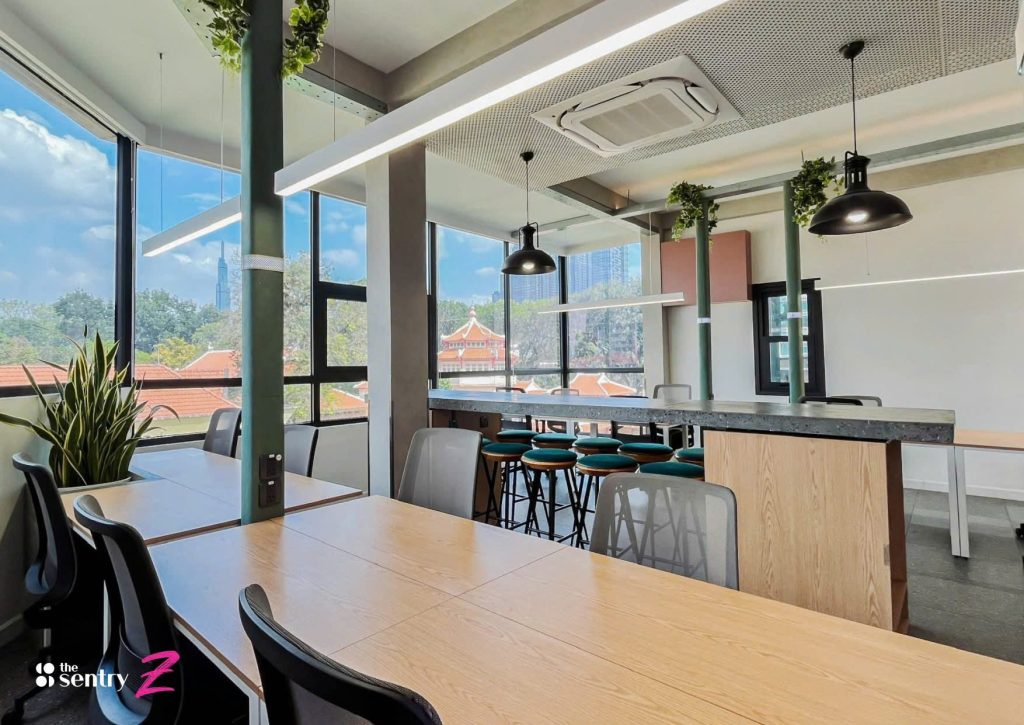
- The Sentry Z at 25A/1 Nguyen Binh Khiem, also in District 1, is one of the most architecturally distinctive workspaces in Vietnam. It is the first coworking space in the country to receive Lotus Gold green building certification, incorporating over 1.4 tons of recycled materials in its construction. The nine-story building is positioned near the Saigon Zoo and several foreign consulates, offering a green and serene working environment inside the busy city. More than half of the entire space is dedicated to communal areas, and amenities include meeting rooms, a nap zone, a relaxation area, and a rooftop garden.
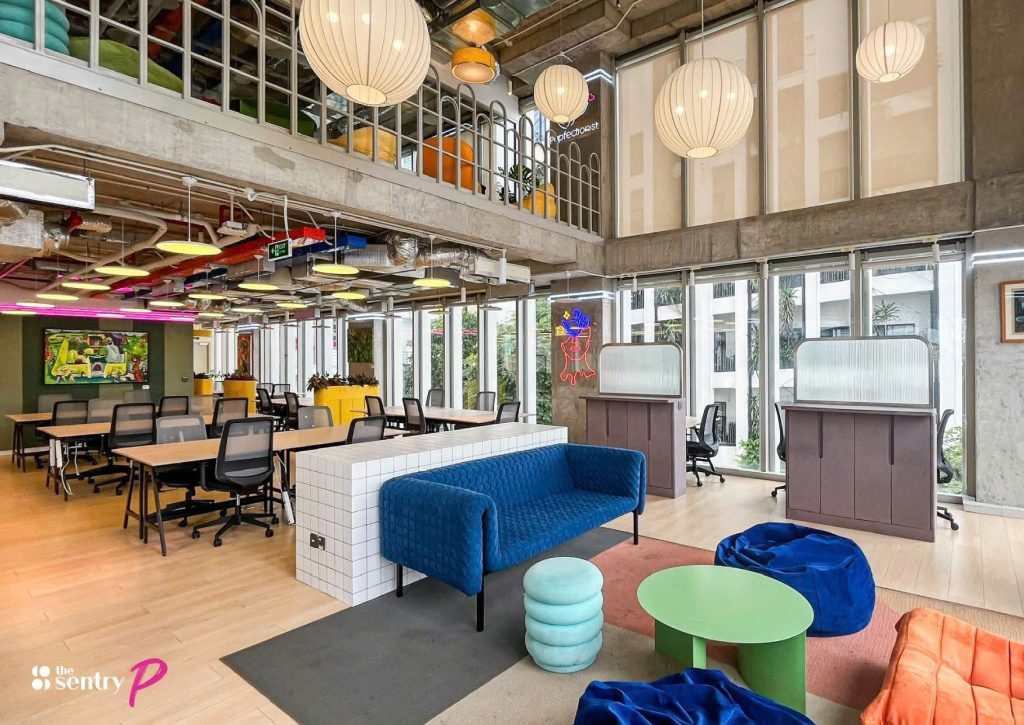
- The Sentry P at 16 Nguyen Dang Giai, Thao Dien, serves teams in the metro’s Thao Dien corridor directly. This pet-friendly space sits in the heart of HCMC’s most internationally oriented neighborhood, with an open-plan layout built for collaboration, private meeting rooms and phone booths for focused work, and a complementary wellness program including yoga and meditation classes. For companies hiring from the international and creative communities concentrated in Thao Dien and An Phu, this location puts the office exactly where the talent is.
- The Sentry Q at the Orbital 2.0 campus in Quang Trung Software City, District 12, is the newest addition to the network and targets the tech and IT community specifically. Though it sits off the Metro Line 1 alignment, it is approximately 15 minutes from Tan Son Nhat International Airport and 30 minutes from downtown. The space spans three floors with a mezzanine, an in-house bar and coffee lounge, focus pods, event spaces, and a training room — all built for the kind of deep-work culture that technology teams need.
Across all locations, The Sentry offers flexible membership options ranging from hot desks and shared seating to fully private offices for larger teams.
Membership plans are available on both short and longer-term arrangements, making the platform accessible to solo founders, growing startups, and established businesses looking to expand their HCMC footprint without the fixed overheads of a traditional lease.
Rental costs begin from around 2,000,000 VND per seat per month, and every location is supported by The Sentry’s professional management team.
Book a Tour and Find Your Best Base Along the Metro Line
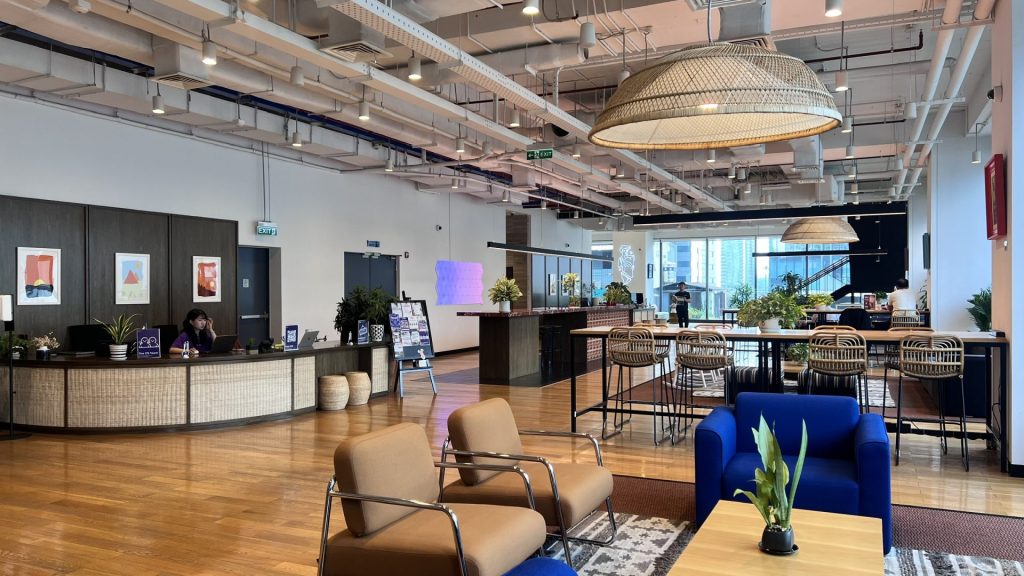
The metro changed what is possible for office location decisions in Ho Chi Minh City. Zones that once felt too far east are now reachable. Districts that were inconvenient for cross-city commutes are now connected. For any team planning its workspace for the next stage of growth, the stations along Metro Line 1 give you a clear structure for thinking about where your office should be.
The Sentry makes it straightforward to try before you commit. Tours of all locations are available, and the team can walk you through the options at each site based on your team size, working style, and location preferences.
Contact us and book your tour today.
YOU MAY BE ALSO INTERESTED IN

Branch Office vs Representative Office in Vietnam: Which Should Foreign Companies Choose?
Foreign companies entering Vietnam usually run into the same question early on. Do you register a representative office or a branch office? The two structures look alike at first glance. Both let a foreign company operate under Vietnamese law without setting up a fully separate local entity. The similarities stop there once you look at […]
Best Coworking Spaces in District 2 & Thao Dien (2026)
District 2 and Thao Dien have become the go-to base for founders, freelancers, and remote teams who want a workspace close to where they actually live. The area sits across the river from downtown Saigon, but Metro Line 1 and a fast-growing business scene have turned it into a work hub in its own right. This […]
How Much Does a Serviced Office Cost in Ho Chi Minh City? 2026 Pricing Guide
Shopping for office space in Ho Chi Minh City usually comes down to one question: what is this actually going to cost? The answer depends on what kind of serviced office you pick, but most businesses end up paying somewhere between 1,500,000 VND and 15,000,000 VND per person each month. A hot desk sits at […]

Interested in this location?
Complete the form below to book a tour or connect with one of our team members to find out more.